

Best Contact Lens Solutions for Sensitive Eyes
If you experience stinging when inserting your contact lenses, redness at the end of the day, or a gritty sensation that appears without warning, the problem isn't always with the lens itself. Often, the difference between feeling comfortable and wanting to remove them by mid-morning lies in choosing the best solutions for sensitive contact lenses based on your actual needs, not just the most eye-catching packaging.
When we talk about sensitive eyes, there isn't one single perfect solution for everyone. Some users react to certain preservatives, others need more hydration because they spend many hours in front of screens, and others simply tolerate a simpler formula better. That's why it's worth looking beyond price or promotions and observing how your eyes respond after several days of use.
What a good solution should have if your eyes are sensitive
A contact lens solution designed for sensitive eyes should clean well, disinfect without being aggressive, and maintain hydration for hours. It sounds basic, but not all of them do it equally well. Some formulas clean very effectively but can leave a less comfortable sensation for users prone to irritation. Others are gentler but fall short if you accumulate deposits easily.
The balance is usually found in new-generation multi-purpose solutions formulated for soft lenses, especially if they include wetting agents. These components help keep the lens surface more comfortable and less dry throughout the day. If you use monthly contact lenses, this point matters even more, because the lens spends more time in contact with the solution and any incompatibility is noticed sooner.
It's also worth checking if the formula is geared towards dry or sensitive eyes. It's not just a marketing phrase. It usually means that the product has reduced or adjusted certain preservatives and enhances lubrication. In many cases, that difference translates into less stinging when inserting the lens and more stable adaptation.
Best solutions for sensitive contact lenses by need
The best way to choose is not to look for "the best" in abstract, but to identify what exactly bothers you.
If you notice dryness at the end of the day
Here you need a solution with good moisturizing capacity. These are the most recommended if you work with computers, spend time in air-conditioned offices, or wear contact lenses for long hours. They won't work miracles if your lens isn't suitable, but they can significantly improve daily comfort.
In this profile, a multi-purpose solution with progressive release hydrating agents or with a texture that leaves the lens more lubricated from the start usually works best. The advantage is clear: less tightness and less sensation of the lens sticking to the eye. The downside is that some users find the lens too "slippery" when handling it, although it's usually a matter of getting used to it.
If your eyes get irritated easily
When the eye reacts with frequent stinging, tearing, or redness, the priority is a gentle formula. In these cases, solutions with fewer potential irritant components usually yield better results. This doesn't always mean they are the cheapest or most well-known, but they are the most tolerable.
Here, consistency is worthwhile. Changing solutions every week makes it difficult to know which one suits you and which one doesn't. If you find a solution that doesn't bother you, leaves your lens clean, and allows you to finish the day comfortably, you already have more than what most promise.
If you use monthly contact lenses
Monthly contact lenses require more thorough cleaning than daily ones, simply because they are reused. In this case, the solution must be gentle, yes, but also effective at removing protein deposits and dirt. If it doesn't clean well, even if it's gentle on the eye, comfort decreases over the days.
For this use, the most sensible thing is to look for a balanced multi-purpose solution with good disinfection and sustained comfort. If your eyes are sensitive, avoid overly aggressive formulas thinking that "they clean better that way." With contact lenses, more intensity doesn't always mean a better experience.
If you've had reactions to other solutions
If you have already tried several options and still experience discomfort, the problem may be tolerance to a specific formula. In such cases, a peroxide solution can be an interesting alternative, although it is not for everyone. It cleans and disinfects very well, and many sensitive users tolerate it better because it does not leave certain preservatives in direct contact with the eye.
However, it requires more attention in use. You must respect the neutralization time and follow the instructions to the letter. If you are looking for something quick and uncomplicated, it may not be your best option. If you prioritize tolerance and deep cleaning, it can make a difference.
Multi-purpose or peroxide: which is better
This is the comparison that truly matters when you're looking for the best solutions for sensitive contact lenses. Multi-purpose solutions win in convenience. They clean, rinse, disinfect, and store the lens in a single step. It's the most practical option for daily use and preferred by those who want a simple routine.
Peroxide solutions, on the other hand, usually offer deeper cleaning and very good tolerance for delicate eyes, but in return, they require more discipline. You can't skip steps or improvise. For some users, it pays off greatly. For others, it adds unnecessary friction to a routine they want to resolve quickly.
The choice depends on your profile. If you wear contact lenses daily, value speed, and are comfortable with a gentle multi-purpose solution, you don't need to complicate things. If you frequently experience discomfort, persistent deposits, or poor tolerance to various solutions, peroxide is worth considering.
Signs that your current solution is not working for you
You don't have to wait for major discomfort to make a change. Sometimes the signs are small but repetitive. If your contact lenses always sting for a few seconds when you put them in, if you need artificial tears every few hours, if you notice the lens becoming more uncomfortable as the week progresses, or if your eye becomes redder than usual, it's worth reviewing your solution.
Another clear clue is when the contact lens comes out of the case seemingly clean, but feels "dirty" or rough when you put it in. This can indicate that the formula is not cleaning well or that it doesn't suit your lens type and tear film. It's not just a matter of hygiene. It's a matter of compatibility.
What to look for before buying
If you want to be more successful and try fewer options, look at four things: the type of lens you use, whether you tend to have dry eyes, the sensitivity of your eyes, and the actual time you wear your contact lenses. It seems obvious, but many people buy the same solution for years without considering whether it is still suitable for their routine.
If you use daily lenses, the solution usually only comes into play in specific cases, so the need is different. If you use monthly lenses, the solution is part of daily comfort. And if you also work many hours with screens or are in dry environments, you need a formula that matches that rhythm, not just any one.
It also helps to buy from channels that inspire confidence and allow for easy reordering when you find the right product. In a recurring category like this, it's not just about finding a good solution once. It's about being able to replenish it without complications and with the peace of mind that you're making a good choice.
Common mistakes that worsen sensitivity
Sometimes the solution isn't the only culprit. Storing contact lenses longer than recommended, refilling the case instead of completely changing the solution, or extending the use of the lens case too much are very common mistakes. And all of them can increase irritation.
It also doesn't help to constantly change brands for price if your eyes have already found a formula that they tolerate well. Saving a few euros can be expensive if you end up using your contact lenses poorly or reducing wear time due to discomfort. In eye care, stability usually works in your favor.
And one last thing: if a solution is not working for you, don't "put up with it" thinking your eyes will get used to it. The opposite is usually true. If a solution irritates, with repeated use the problem usually becomes more evident.
The right choice is the one that lets you forget about the solution
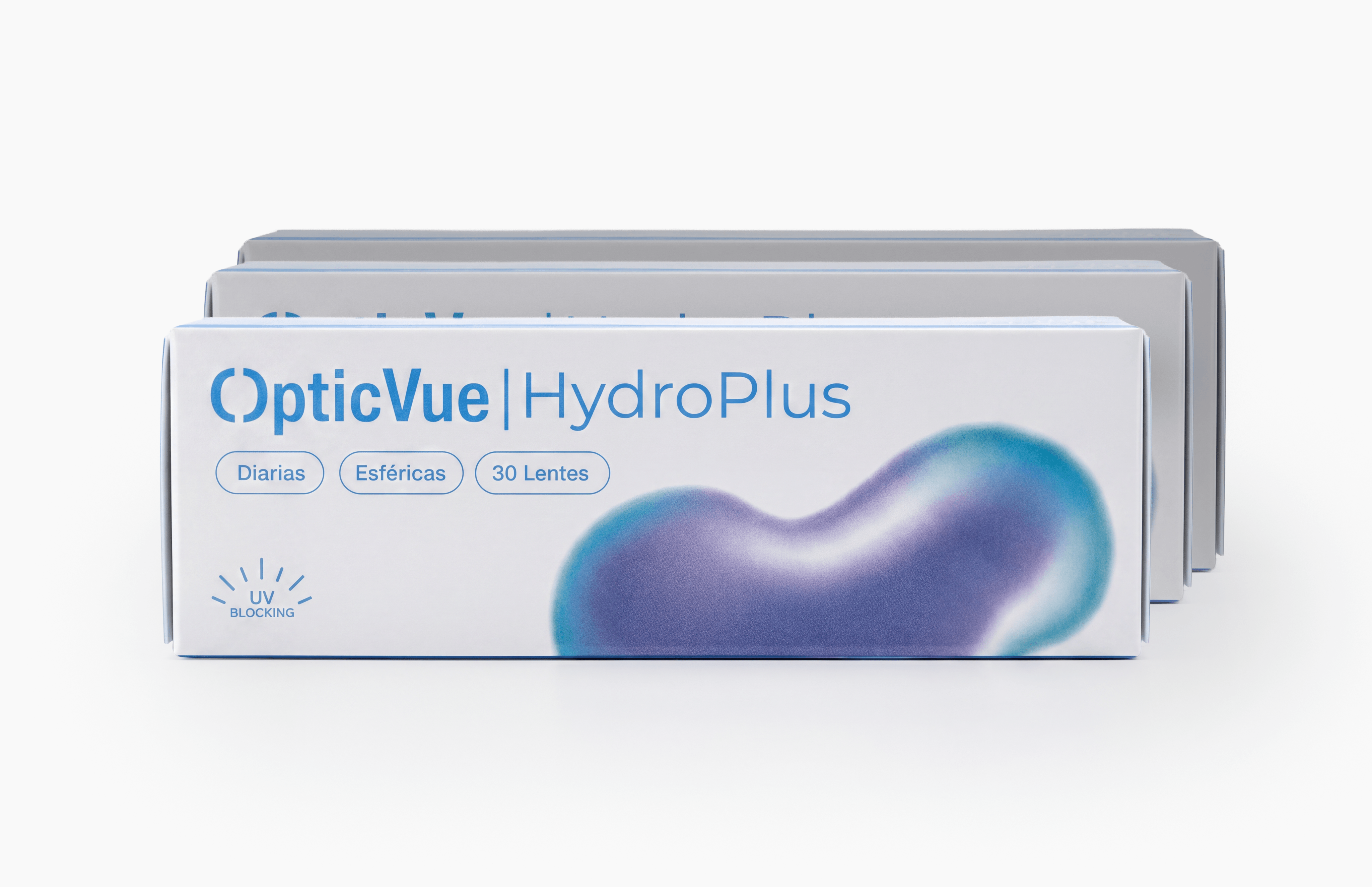
A good solution for sensitive eyes isn't the one that promises the most on the box, but the one that allows you to put on your contact lenses and go about your day without thinking about them. If you're looking for real comfort, prioritize gentle formulas, good hydration, and compatibility with your lens type. And if you have doubts between several options, in brands with a health-oriented approach and presence in pharmacies, like OpticVue, that extra confidence also counts.
When you get it right, you notice it quickly: less redness, less dryness, and less desire to take your contact lenses off early. That's the criterion that truly matters.



Leave a comment
This site is protected by hCaptcha and the hCaptcha Privacy Policy and Terms of Service apply.