
Sleeping with contact lenses: risks and what to do if it happens
Although many people know it, it's still one of the most frequently asked questions: What happens if I fall asleep with my contact lenses in?
The answer is clear: sleeping with contact lenses is not recommended. It may seem harmless if it happens once by accident, but it increases the risk of discomfort, dryness, irritation, and eye infections.
Sometimes it happens due to fatigue. Other times, due to an unexpected nap. But even a single night with contact lenses in can make your eyes wake up feeling drier, more sensitive, or redder.
Why shouldn't you sleep with contact lenses in?
When you wear contact lenses, the cornea receives less oxygen than usual. During the day, blinking and tears help keep the eye lubricated. But when you sleep, your eyes remain closed for hours, and oxygenation decreases even further.
Additionally, the contact lens remains motionless on the eye throughout the night. This can promote the accumulation of deposits, reduce comfort, and increase the risk of discomfort upon waking.
Therefore, unless a professional has expressly advised you to use contact lenses suitable for sleeping, it is recommended to always remove them before going to bed.
Main risks of sleeping with contact lenses
Sleeping with contact lenses can increase the risk of several eye problems.
Eye infections
One of the most significant risks is corneal infection, known as keratitis. It can cause pain, redness, light sensitivity, discharge, or blurred vision.
If any of these symptoms appear, you should not put your contact lenses back in and should consult a healthcare professional.
Dryness and irritation
Upon waking, it is common to notice dry, tight, or irritated eyes. This occurs because the contact lens has remained on the eye for hours without the normal blinking that occurs during the day.
Temporary blurred vision
You may also notice blurred vision for a while after waking up. In some cases, this is due to dryness, deposits on the contact lens, or lack of hydration during the night.
Feeling of a stuck contact lens
Sometimes, when you sleep with contact lenses, you may feel that the lens is stuck to your eye. In that case, do not remove it by force. It is best to hydrate the eye with contact lens-compatible drops or appropriate artificial tears, wait a few minutes, and then carefully remove it.
Increased deposit accumulation
During the night, the contact lens can accumulate tear residue, proteins, and particles. This can make it less comfortable or irritate the eye more the next day.
What to do if you fell asleep with contact lenses in?
If you woke up with your contact lenses in, don't panic, but act carefully.
The recommendations are:
- Do not rub your eyes.
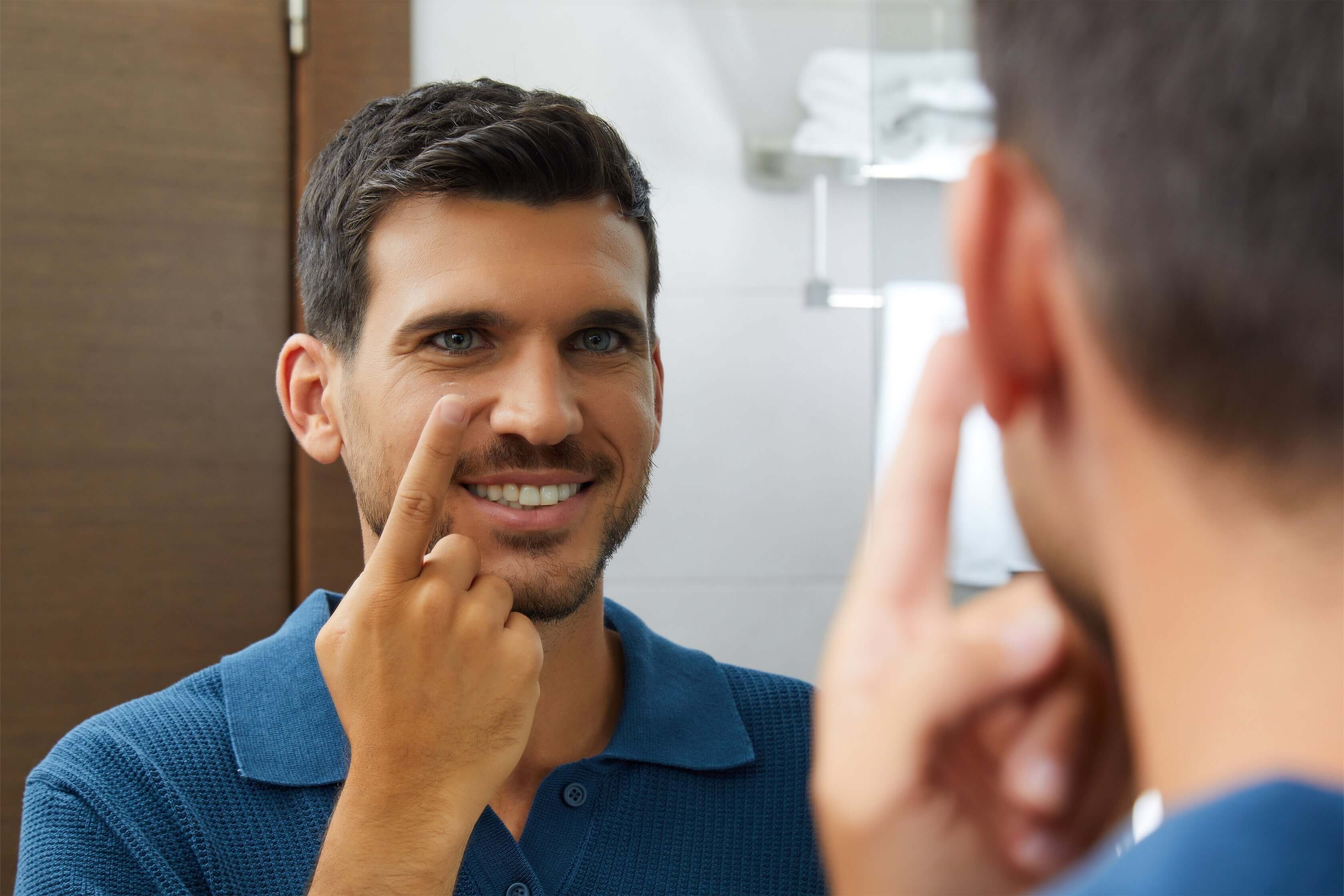
- Wash your hands thoroughly.
- Apply contact lens-compatible drops if you feel dryness.
- Wait a few minutes before removing the contact lenses.
- Remove them carefully, without forcing.
- Rest your eyes for a few hours.
- Wear glasses for the rest of the day if you feel discomfort.
If they are daily contact lenses, discard them after removal. Do not reuse them.
If they are monthly contact lenses, clean and disinfect them correctly with contact lens solution, as long as they are not damaged and always following the product instructions.
What if it was just a nap?
Even if it was a short nap, it's still best to avoid sleeping with contact lenses. The risk is usually lower than sleeping all night, but the problem is the same: the eye remains closed, and the contact lens stays on the cornea without the usual lubrication.
If you fell asleep during a nap, follow the same process: don't rub, hydrate if necessary, wait a few minutes, and carefully remove the contact lenses.
If you experience pain, intense redness, or blurred vision that doesn't improve, consult a professional.
Are there contact lenses suitable for sleeping?
Yes, there are contact lenses designed for extended or continuous wear. However, these are not regular contact lenses and should not be used for sleeping on your own initiative.
Even if a contact lens is designed for longer wear, sleeping with contact lenses should always be indicated and supervised by a professional. Every eye is different, and not everyone tolerates this type of wear well.
If your contact lenses are not specifically indicated for sleeping, you should not do so.
Can I wear the same contact lenses again afterward?
It depends on the type of contact lens and how your eyes feel.
If they are daily contact lenses, do not reuse them. Remove and discard them.
If they are monthly contact lenses, you can clean and disinfect them with contact lens solution, but do not put them back in immediately if you notice dryness, irritation, redness, or discomfort.
When in doubt, it is better to rest your eyes and wear glasses during the day.
Warning signs after sleeping with contact lenses
After sleeping with contact lenses, you should pay attention to your eyes. Remove the contact lenses and consult a professional if you notice:
- Eye pain.
- Intense redness.
- Persistent blurred vision.
- Light sensitivity.
- Excessive tearing.
- Discharge.
- Strong gritty sensation.
- Discomfort that does not improve after removing the contact lenses.
Do not try to remedy these symptoms by wearing contact lenses for longer or applying any drops without knowing if they are suitable.
How to avoid falling asleep with contact lenses in
If this happens frequently, it's best to create a simple routine to prevent it:
- Remove your contact lenses before lying down in bed.
- Leave your contact lens case and solution in a visible place.
- Wear backup glasses if you usually come home late or tired.
- If you use daily contact lenses, discard them before you start to relax.
- Set an alarm if you tend to fall asleep watching series or using your phone.
- Don't wait until the last minute of the day to remove them.
The key is not to leave contact lens removal until you're already too tired.
Daily or monthly contact lenses: what to consider
If you ever forget to remove your contact lenses, it's a good idea to review what type you use and what your routine is like.
Daily contact lenses can be a practical option because they are discarded at the end of the day and do not require cleaning or storage.
Monthly contact lenses, on the other hand, require a correct routine with contact lens solution and a clean case. If you use monthly lenses, it is important to clean and store them properly every night.
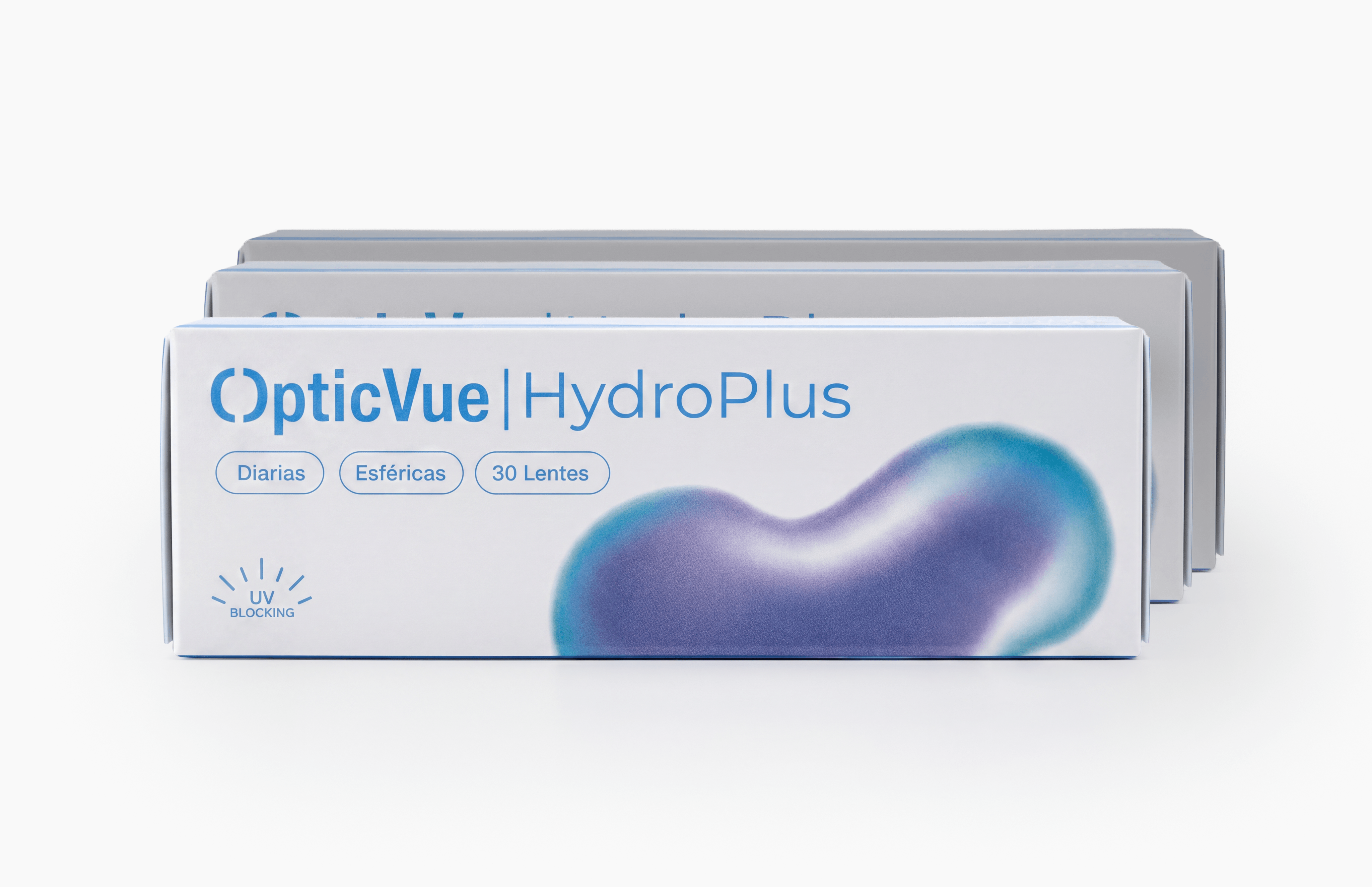
At OpticVue, you can find daily and monthly contact lenses for myopia, as well as contact lens solution to complete the care routine for monthly options.
Conclusion
Sleeping with contact lenses may seem comfortable or harmless, but it is not recommended. When you sleep, the eye receives less oxygen, the contact lens remains on the cornea for hours, and the risk of dryness, irritation, and infections increases.
If it happens once, carefully remove the contact lenses, hydrate your eye if needed, and rest your vision. If pain, intense redness, light sensitivity, or persistent blurred vision appears, consult a healthcare professional.
The best routine is simple: always remove your contact lenses before sleeping, even if you are only taking a nap.
Frequently asked questions
What happens if I sleep with contact lenses in for one night?
You might only notice dryness or discomfort upon waking, but it also increases the risk of irritation and eye infection. Carefully remove them and rest your eyes.
Can I take a nap with contact lenses in?
It is not recommended. Even if it's less time than a full night, the eye remains closed, and the contact lens reduces oxygenation and normal lubrication.
What should I do if the contact lens is stuck to my eye when I wake up?
Do not remove it by force. Apply contact lens-compatible drops or appropriate artificial tears, wait a few minutes, and then carefully remove it.
Can I reuse contact lenses after sleeping with them?
If they are daily contact lenses, no. You should discard them. If they are monthly, clean and disinfect them correctly, but avoid reusing them if you experience discomfort.
Can sleeping with contact lenses cause infection?
Yes. Sleeping with contact lenses increases the risk of eye infections, especially if it becomes a habit or if hygiene guidelines are not followed.
Are there contact lenses that you can sleep with?
There are contact lenses designed for extended wear, but they should only be used under professional indication and supervision. You should not sleep with regular contact lenses.



Leave a comment
This site is protected by hCaptcha and the hCaptcha Privacy Policy and Terms of Service apply.