
Extended wear, high oxygen contact lenses
If you reach the end of the day with tired eyes, a feeling of dryness, or the need to remove your contact lenses early, you probably don't have a problem with your prescription: you lack oxygen. That's why high-oxygen extended wear contact lenses have become one of the most sought-after options for those who need real comfort for many hours without sacrificing stable vision.
Not all contact lenses that promise to last all day perform the same in the eye. The difference usually lies in the material, its ability to allow oxygen to pass through, and how they behave when you spend hours in front of screens, in air-conditioned environments, or with a relentless pace of life. Choosing well here is not a technical detail. It's what determines whether you end the day comfortable or counting the minutes until you can take them off.
What are extended wear and high oxygenation contact lenses?
When we talk about extended wear contact lenses, we are referring to lenses designed to remain comfortable for many hours of daily use and, in some specific cases and always under professional recommendation, also for extended modalities. The key is not only in the duration but in how your eyes respond to that continuous use.
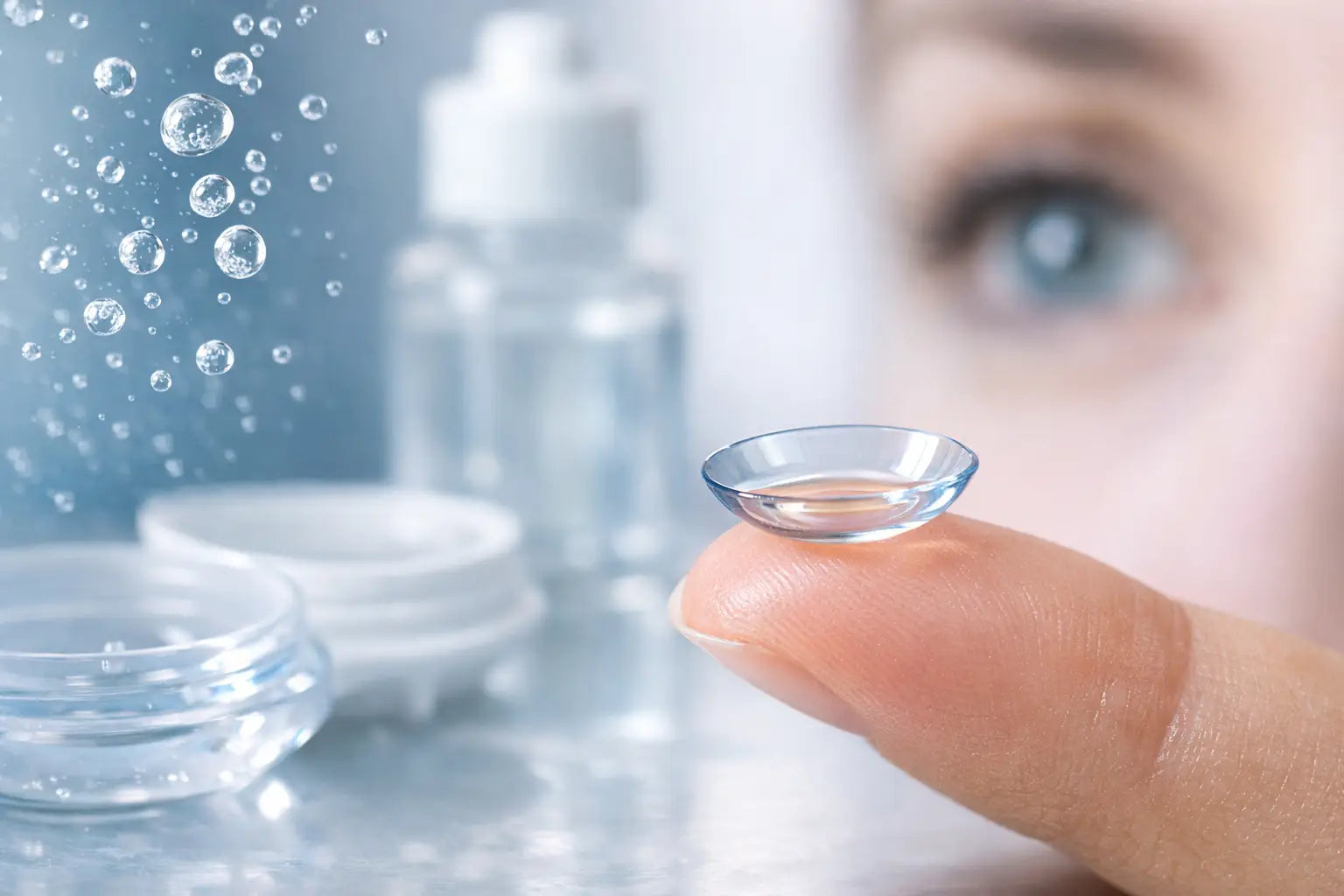
High oxygenation indicates that the contact lens material allows more oxygen to reach the cornea. This is very important because the cornea has no blood vessels and needs that supply directly from the air. If the oxygen flow is insufficient, it's easier to notice red eyes, heaviness, less sharp vision at the end of the day, or progressively worse tolerance.
In practice, a contact lens with good oxygen transmissibility usually offers a more stable experience, especially if you wear it for many hours straight. Still, high oxygenation does not mean a carte blanche to abuse wearing time or to sleep with them without professional supervision. That's where it's important to separate commercial promises from responsible use.
Why oxygenation makes such a difference in comfort
Some users think that comfort depends only on whether the contact lens hydrates more or less. Hydration does influence, yes, but oxygen plays an equally important role. A contact lens can feel soft when put on and become uncomfortable after a few hours if the eye starts to suffer from lack of oxygen.
This is usually more noticeable in very specific profiles: people who work eight or ten hours in front of screens, users who move between the office and the street, those who constantly use heating or air conditioning, and also those who already have a certain tendency to dry eyes. In all these cases, the material makes a real difference.
Additionally, better oxygenation usually helps keep the eye looking whiter and less congested at the end of the day. It's not magic. It's basic physiology applied to something you wear on your eye's surface for many hours.
When they make sense for you
High-oxygen extended wear contact lenses usually fit well if you are looking for a lens that can keep up with a demanding routine. If you put them on early, leave home, work, drive, exercise, or link plans without going home, you need a contact lens that can withstand that pace with sustained comfort.
They also make sense if you have already used contact lenses and notice that the problem is not so much at the beginning as in the last hours of use. This pattern is very common. You feel fine in the morning, in the mid-afternoon you start to blink more, and at night, dryness, irritation, or that feeling of wanting to rub your eyes appears.
However, they are not always the perfect solution for everyone. If you have significant dry eye, frequent allergies, or recurrent discomfort, the solution may involve reviewing the material, replacement frequency, or even the type of contact lens you use. Sometimes a well-chosen daily lens gives better results than a monthly lens with more accumulated wear hours.
Extended wear does not mean limitless use
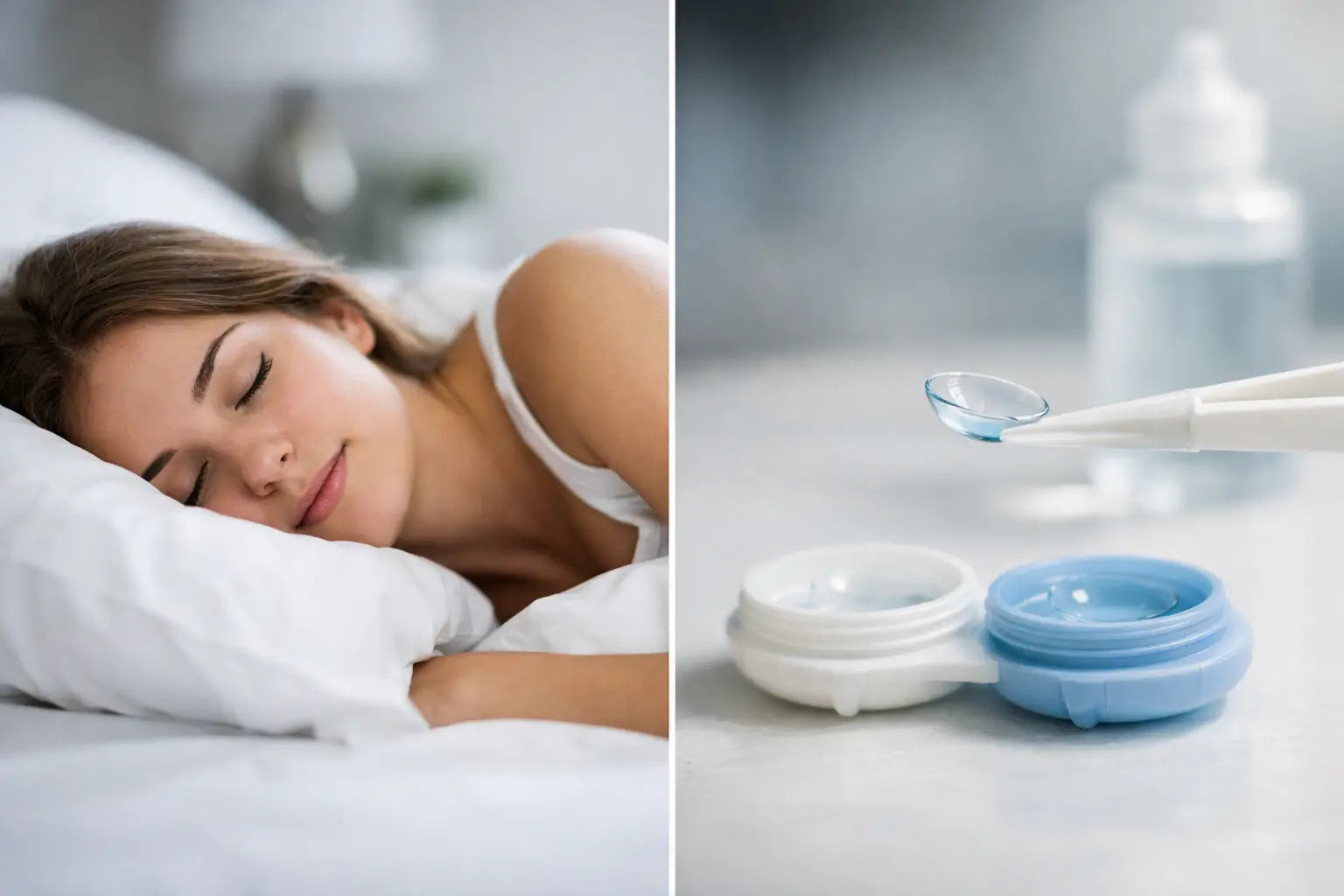
Here it's important to be clear. Just because a contact lens is designed to perform for many hours does not mean you can extend its use without control. Nor does it mean that sleeping with them is always a good idea. Tolerance depends on the eye, the material, hygiene, and a professional's recommendation.
The main mistake is to think that, because a contact lens allows more oxygen, care matters less. In reality, the opposite is true: the more you use it, the more important it is to respect replacement times, cleaning, and check-ups. A good contact lens used improperly ceases to be a good contact lens.
The format also influences. For monthly contact lenses, for example, maintenance is part of the experience. If you don't clean them well, if you extend the calendar more than you should, or if you reuse solution incorrectly, comfort drops and the risk increases. That's why the product matters, but the routine matters almost as much.
How to choose extended wear and high oxygenation contact lenses
The best choice is usually not the cheapest or the most well-known, but the one that fits your daily life. If you use contact lenses for myopia or hyperopia and are looking for prolonged comfort, first look at the material. Silicone hydrogel lenses usually stand out for their high oxygen permeability and are therefore a common reference in this segment.
Then, look at your actual usage pattern. If you wear contact lenses four or five days a week for many hours straight, a high-oxygen monthly lens may compensate you for comfort and cost. If you use them more occasionally or your eyes are delicate, a daily lens may be more practical and easier to manage.
Hydration also counts, but it should be put into context. More water content does not always mean a better result at the end of the day. In some cases, a lens with excellent oxygenation and moisture balance works better than another that is very hydrated on paper. That's why technical specifications help, but the user experience ultimately decides.
Signs that your current contact lens is falling short
There are symptoms that many normalize and should not. If at the end of the day you notice frequent redness, fluctuating vision, a foreign body sensation, or a constant need to use artificial tears to cope, it's time to review what you're wearing.
Another clear sign is when you start reducing wear hours without realizing it. You take them off earlier, alternate more with glasses, or avoid wearing them on long days because you know you'll end up uncomfortable. This doesn't always mean you can't tolerate contact lenses. Often it means you need a different type of lens.
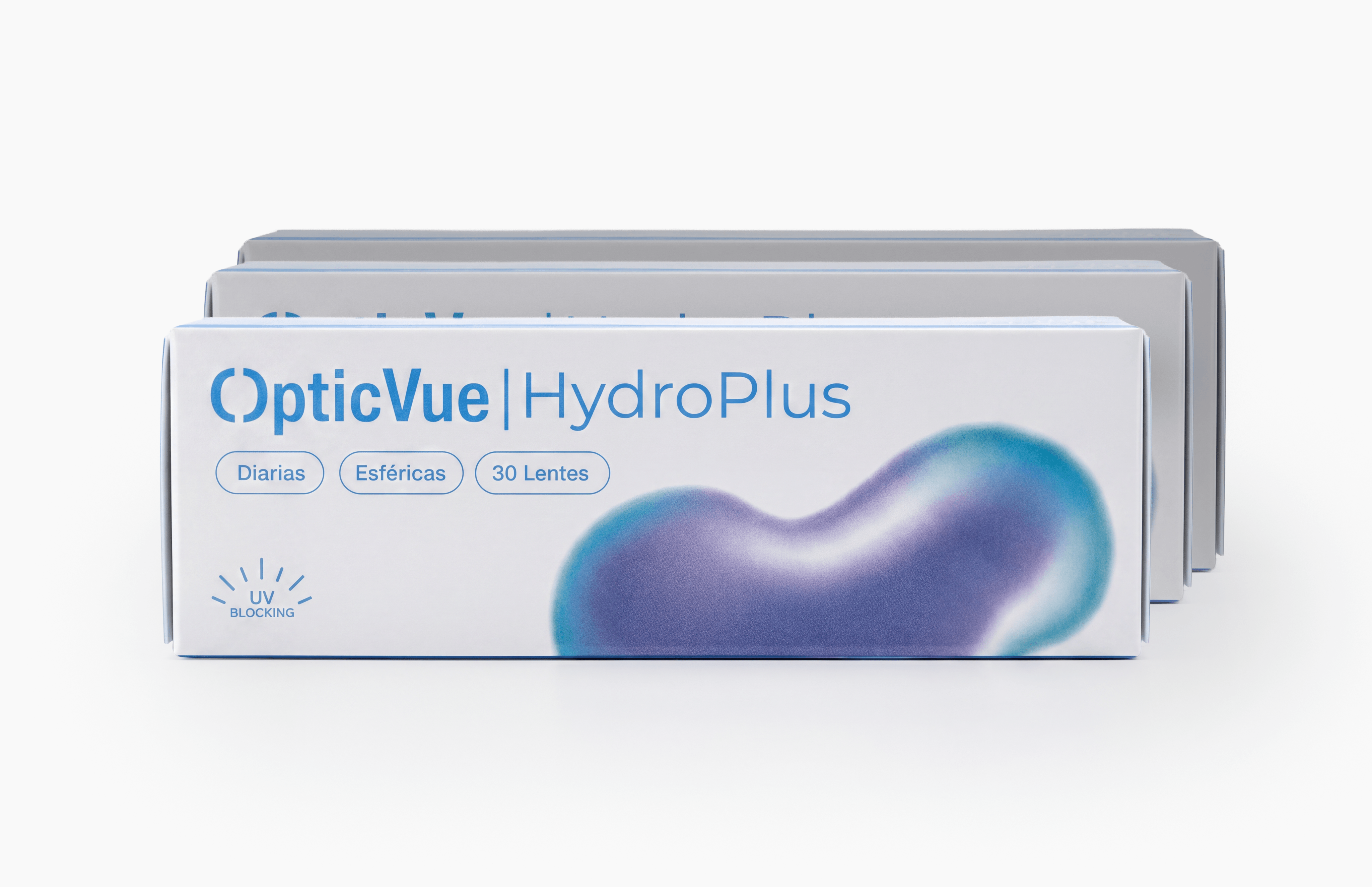
At that point, opting for a range designed for higher oxygenation can be a very noticeable change. At OpticVue, for example, options geared towards extended wear are precisely designed for users who prioritize performance for many hours and a more stable feeling throughout the day.
What role does hygiene play in real comfort?
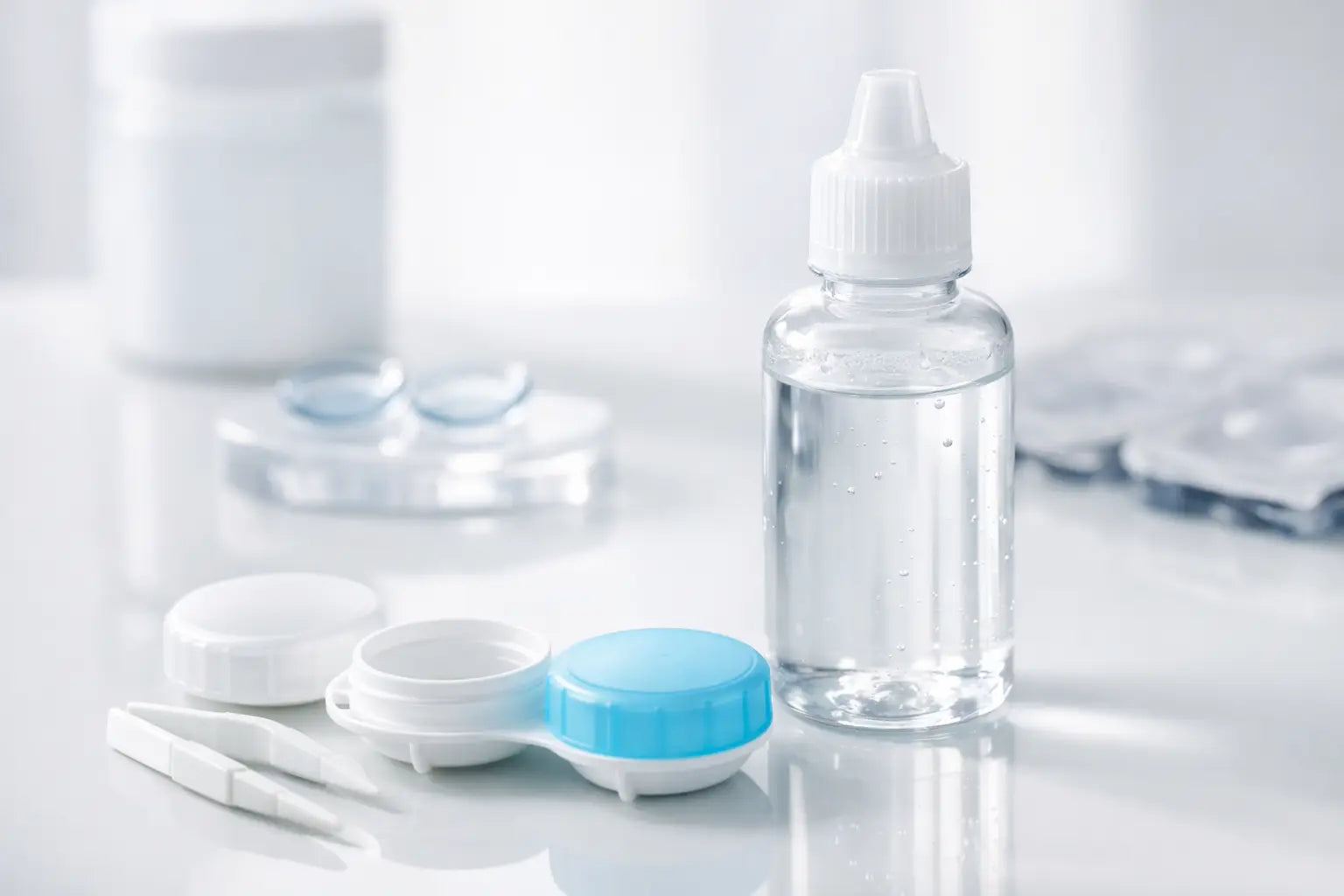
Much is said about the material and little about habits. Without proper hygiene, not even the best contact lens performs as it should. Washing and drying your hands well before handling them, using an appropriate solution, and frequently replacing the case is still basic.
If you use monthly contact lenses, it is not advisable to improvise with the times. Respecting the replacement schedule is not an aesthetic or commercial recommendation. It is a way to keep the lens in good condition and reduce deposits that affect both comfort and eye health.
And if pain, intense tearing, photophobia, or discomfort that does not go away after removing the contact lens ever appears, do not try to tough it out. Stop and consult a professional. The speed of that step matters more than it seems.
The best contact lens is the one you can wear comfortably until the end of the day
Choosing contact lenses should not become a master's degree in materials, but it is important to have a clear idea of what you need. If your priority is to wear them for many hours with a good feeling, more rested eyes, and less accumulated dryness, high oxygenation stops being an extra and becomes a central criterion.
There's no need to complicate it further. If a contact lens adapts to your prescription, your routine, and the real sensitivity of your eyes, you'll notice it from the first week. And when you find that option, something as mundane as putting them on in the morning becomes just that: easy, comfortable, and without a second thought.

Leave a comment
This site is protected by hCaptcha and the hCaptcha Privacy Policy and Terms of Service apply.