
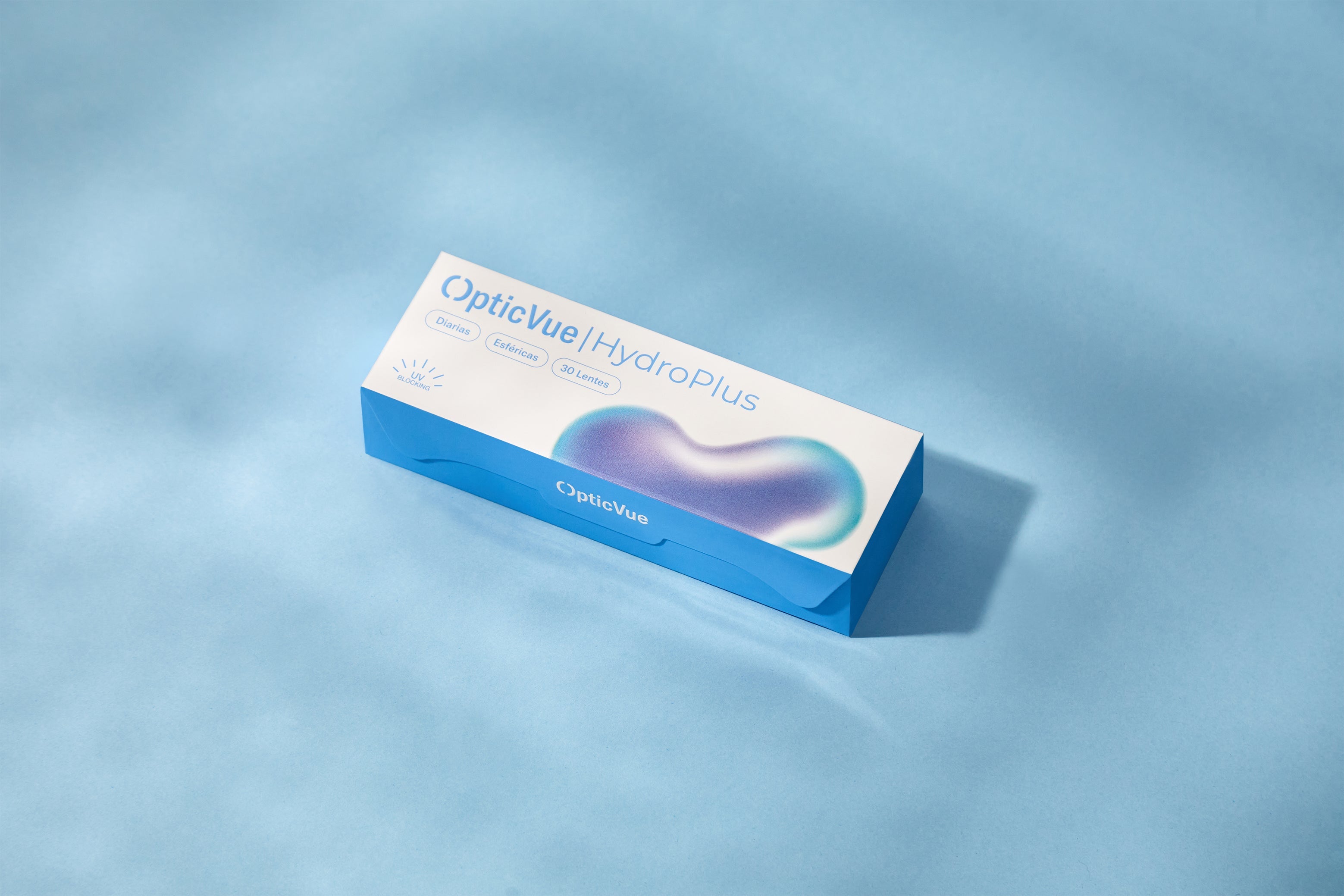
Contact lenses in winter: how cold and heating affect your eyes and how to take care of them
Winter brings sudden temperature changes, heating, cold wind, and much drier environments.
And although we don't usually think about it, all of this directly affects your eyes... especially if you wear contact lenses.
If this season you notice that your contact lenses bother you more, dry out faster, or you find it hard to maintain comfort during the day, you're not alone. Here we explain why it happens and, most importantly, how you can prevent it.
1. Cold outdoor air dries out the ocular surface
Cold air has very little humidity, which causes the tear film to evaporate faster.
Since contact lenses need a hydrated surface to slide well, cold can cause:
-
Dryness
-
Excessive blinking
-
Gritty sensation
-
Discomfort at the end of the day
Tip: blink more consciously when you're outside and avoid looking at your phone while walking (it reduces blinking even further).
2. Indoor heating is even worse than the cold
Going from cold to a hot, dry environment causes the eye to lose moisture even faster.
The hot air from radiators, heaters, or air conditioning dries out both your eyes and your contact lenses.
What to do:
-
Avoid direct heating currents hitting your face.
-
Use humidifiers if you spend many hours indoors.
-
If you feel dryness, take a few minutes' break without contact lenses.
3. Sudden temperature changes = immediate discomfort
Entering a very warm place after being in the cold street can create a sensation of "tightness" in the lens.
This is because the contact lens adapts worse when the tear film is unstable.
Quick tip: place your hands over your closed eyes for a few seconds (without pressing). It helps stabilize the tear film.
4. In winter, we blink less (yes, even if you don't notice it)
Cold causes muscles to tense up and slightly reduces blinking, which leaves the contact lens more exposed and less lubricated.
Solution:
-
Conscious blinking every few minutes.
-
Visual breaks if you spend many hours in front of screens.
5. Cold wind carries dust and particles that stick to your contact lenses
Wind not only cools your eyes: it also carries particles that can stick to the lens surface, causing:
-
Itching
-
Tearing
-
Sensation of dirtiness
-
Blurred vision
What to do:
-
Wear sunglasses in winter (yes, even if it's cloudy).
-
Clean your contact lenses well every night with All-in-One Solution.
-
Avoid touching your eyes when you're outside.
6. Winter makeup + contact lenses = more deposits
In December, we wear more makeup for dinners, events, and parties.
Between cold + heating + heavier makeup (foundation, eyeshadow, eyeliner), deposits increase.
Recommendation:
-
Clean your contact lenses well every night.
-
Gentle rubbing + good disinfection.
-
Avoid applying makeup to your waterline when wearing contact lenses.
7. All-in-One Solution is key to avoiding discomfort in winter
During winter, using a good All-in-One Solution makes a huge difference.
It helps you to:
-
Remove deposits accumulated from heating and wind
-
Keep the contact lens more hydrated
-
Avoid friction
-
Improve comfort throughout the day
And if you use All-in-One Solution with hyaluronic acid, the hydrating effect is even greater.
Conclusion
Winter is an especially demanding time for contact lens wearers.
But with small habits —protecting your eyes from the wind, avoiding direct heating, correctly cleaning your contact lenses, and keeping them well hydrated— you can enjoy the same comfort as the rest of the year.
Your eyes will thank you... and so will your contact lenses.



Leave a comment
This site is protected by hCaptcha and the hCaptcha Privacy Policy and Terms of Service apply.