
OpticVue
The #1 contact lens brand in Spanish pharmacies
Spherical contact lenses for myopia, online or at a pharmacy.
Available at your pharmacy
Receive them in 24/72 hours
Free shipping on orders over €20
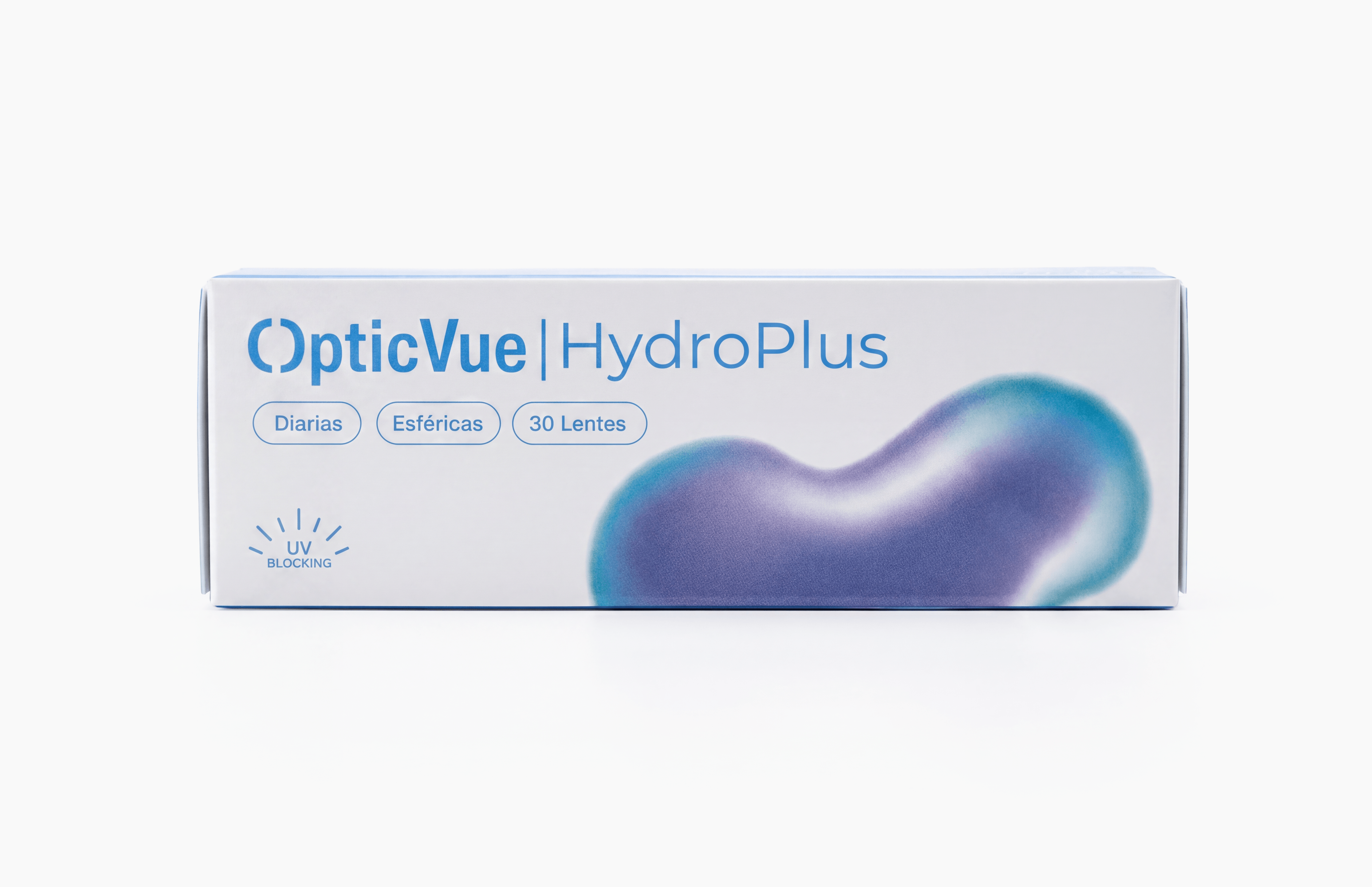
Daily contact lenses
For myopia
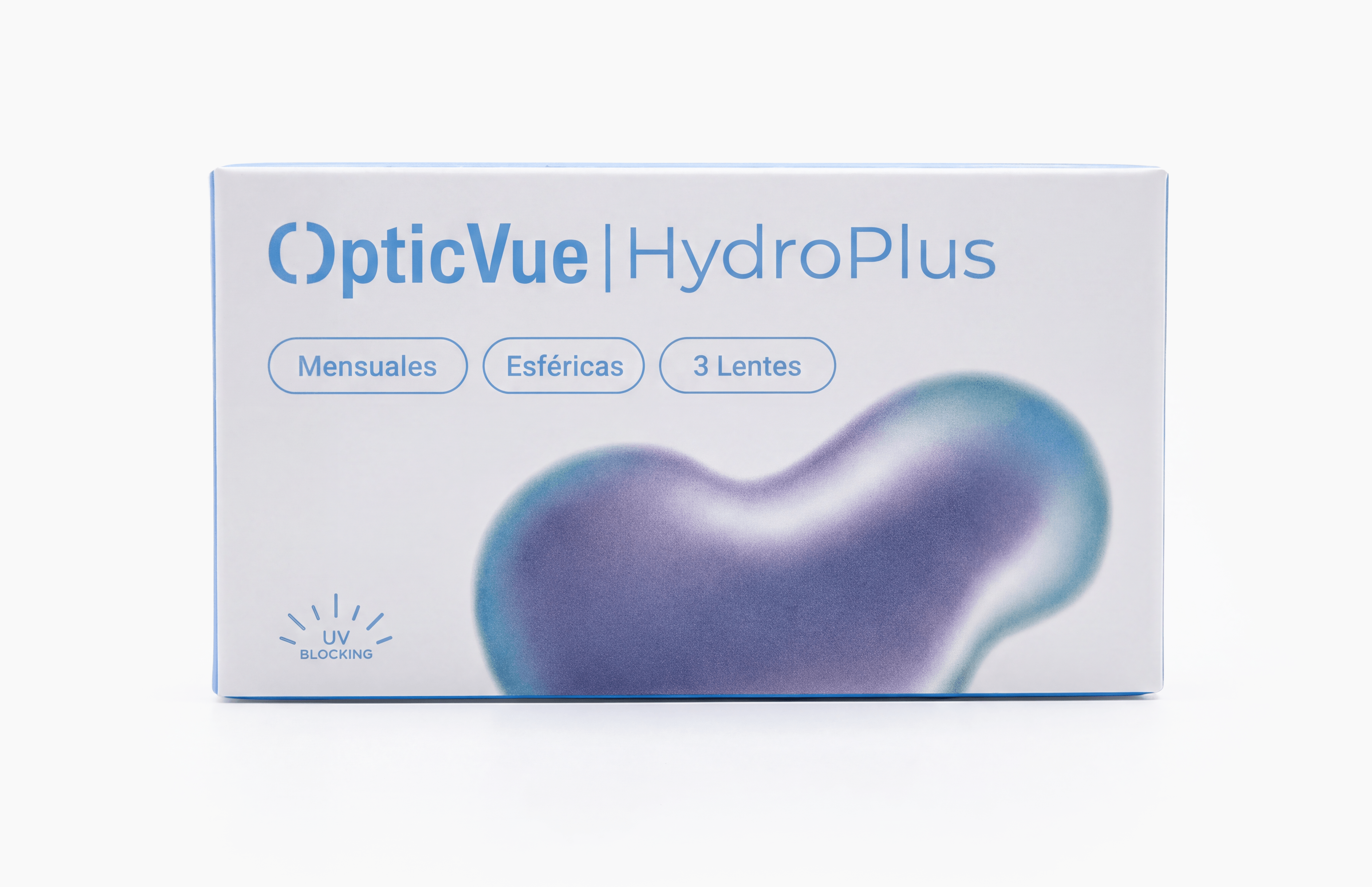
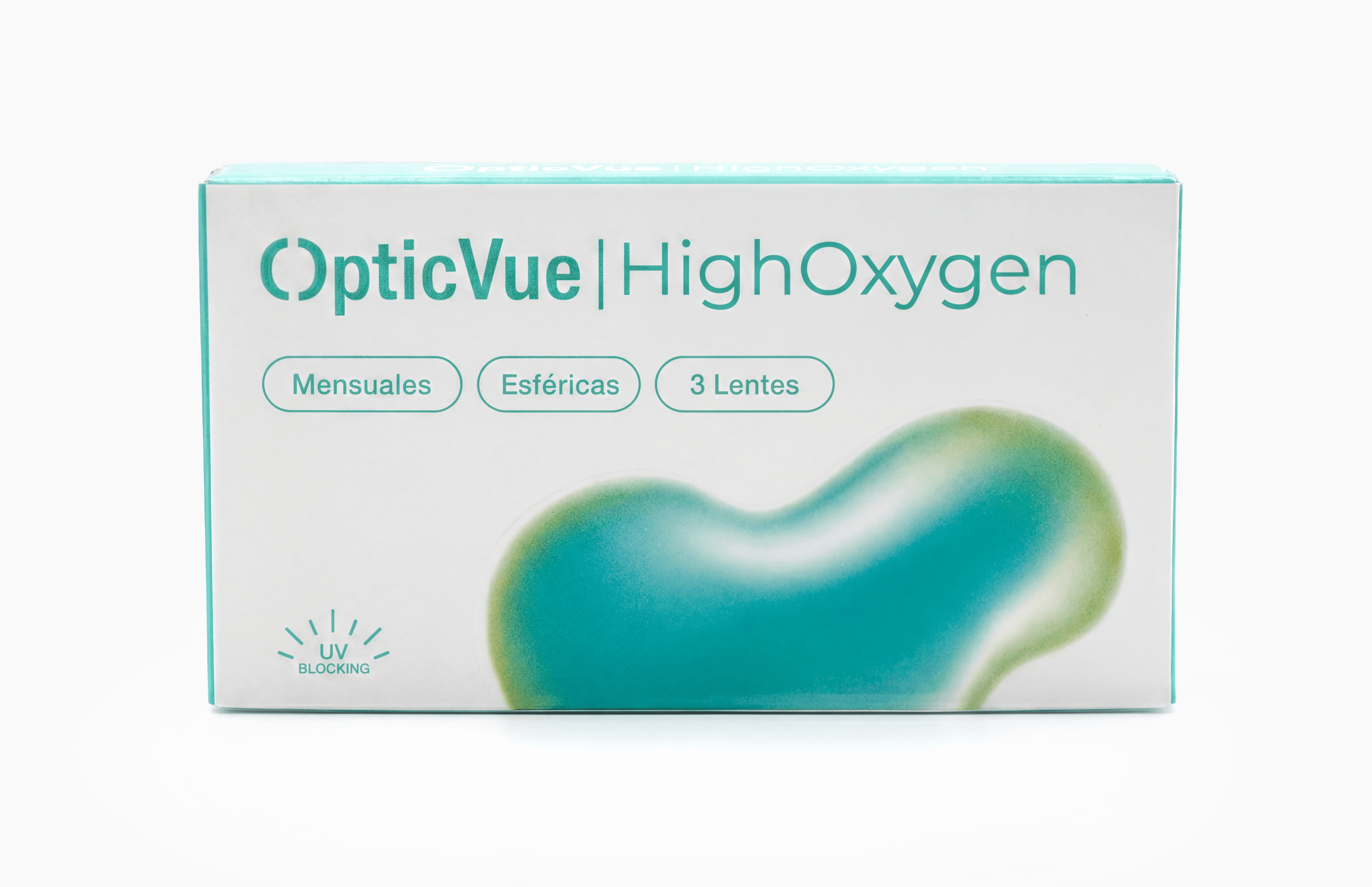
Monthly contact lenses
For myopia
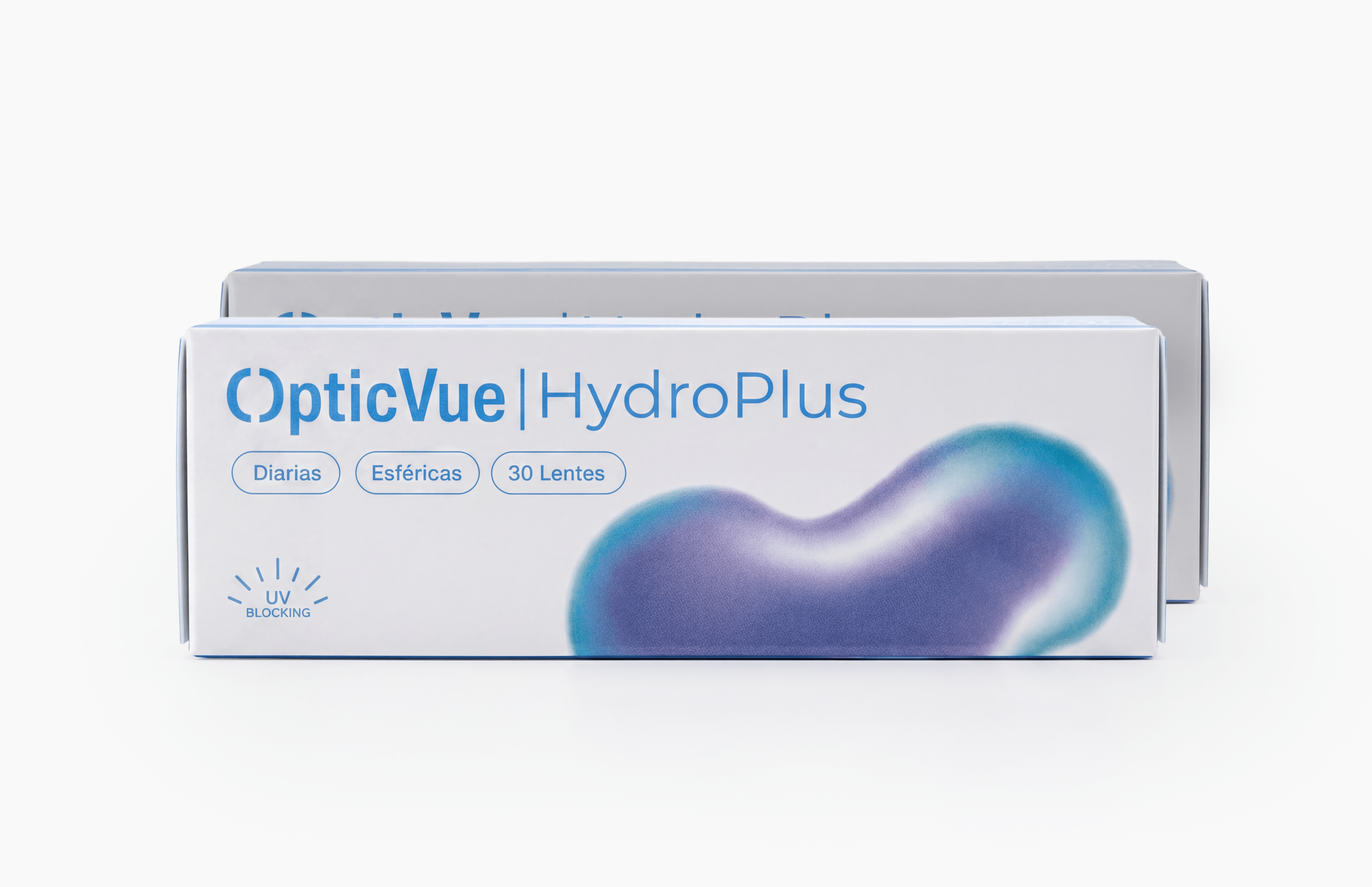
Daily contact lens value pack
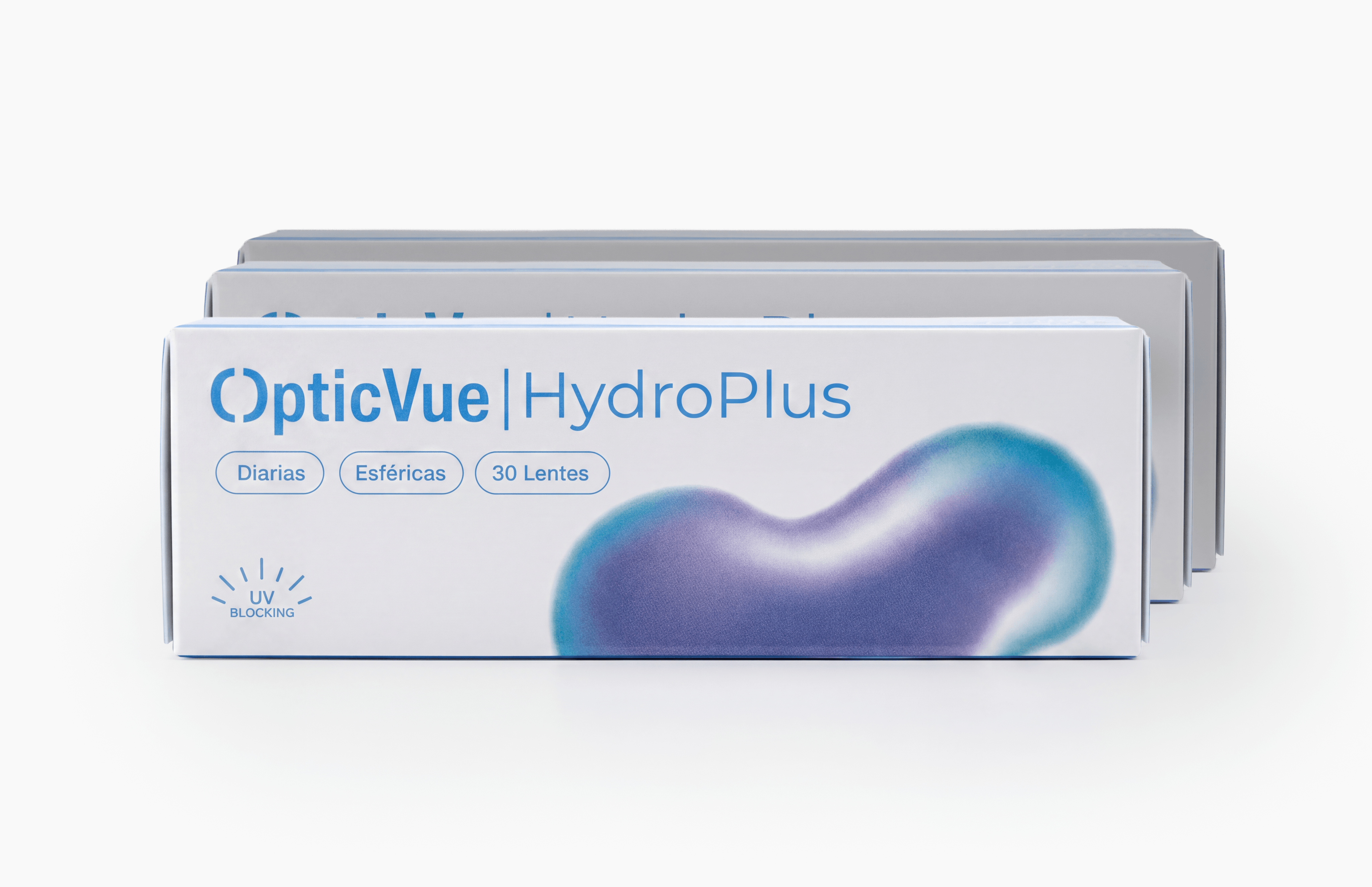
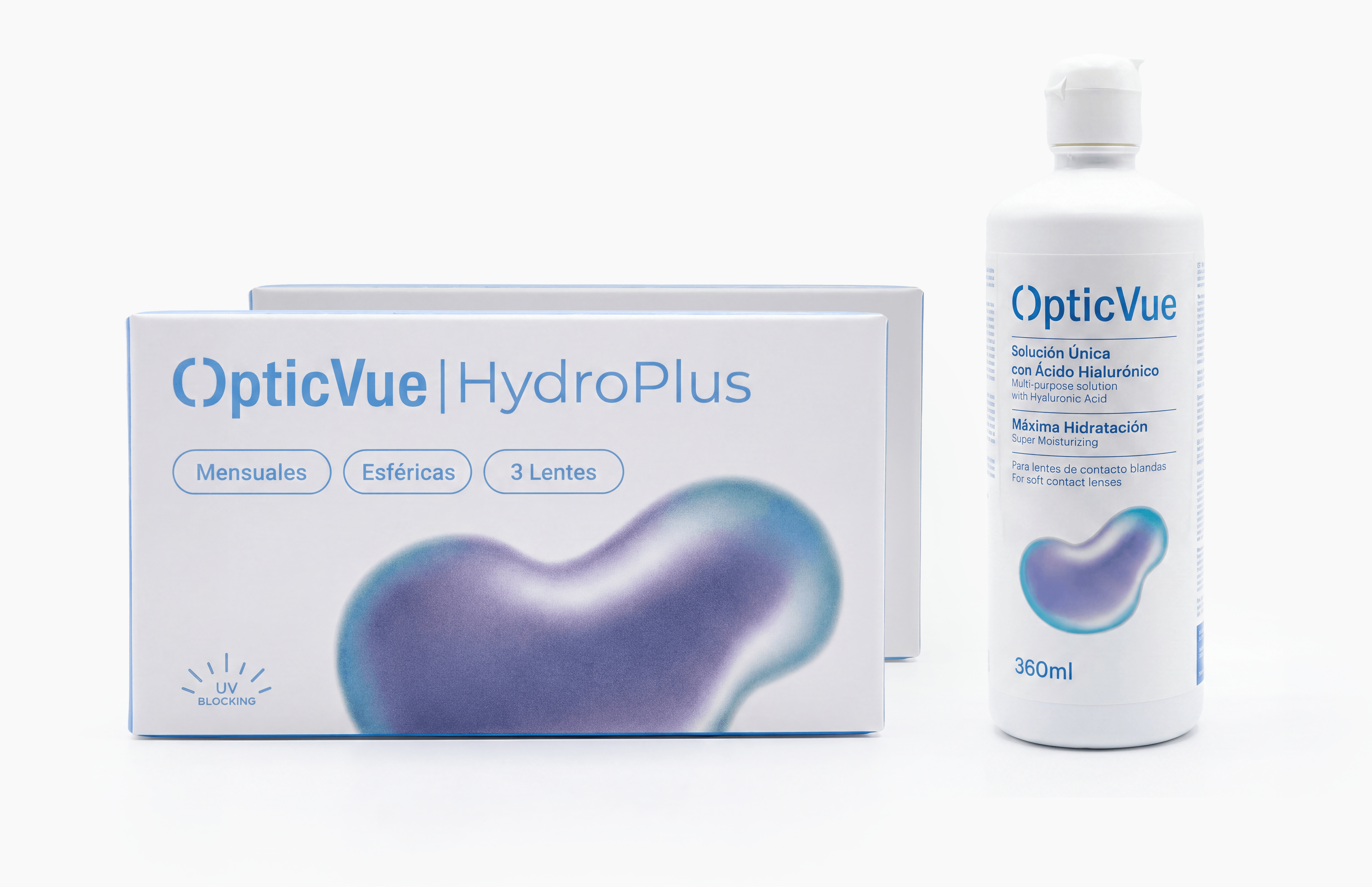
Monthly contact lens savings pack
It includes a unique free solution
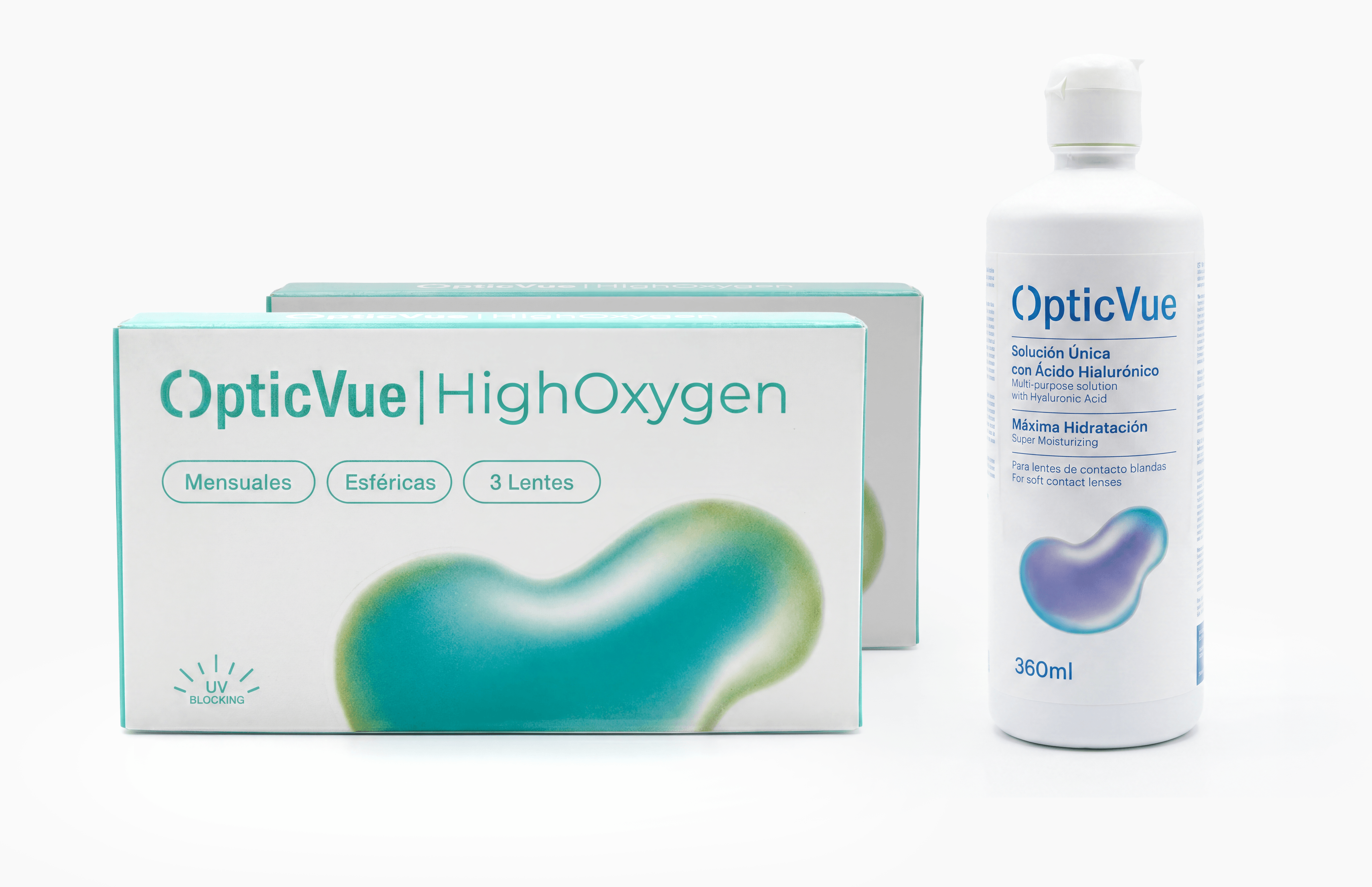
Daily contact lenses
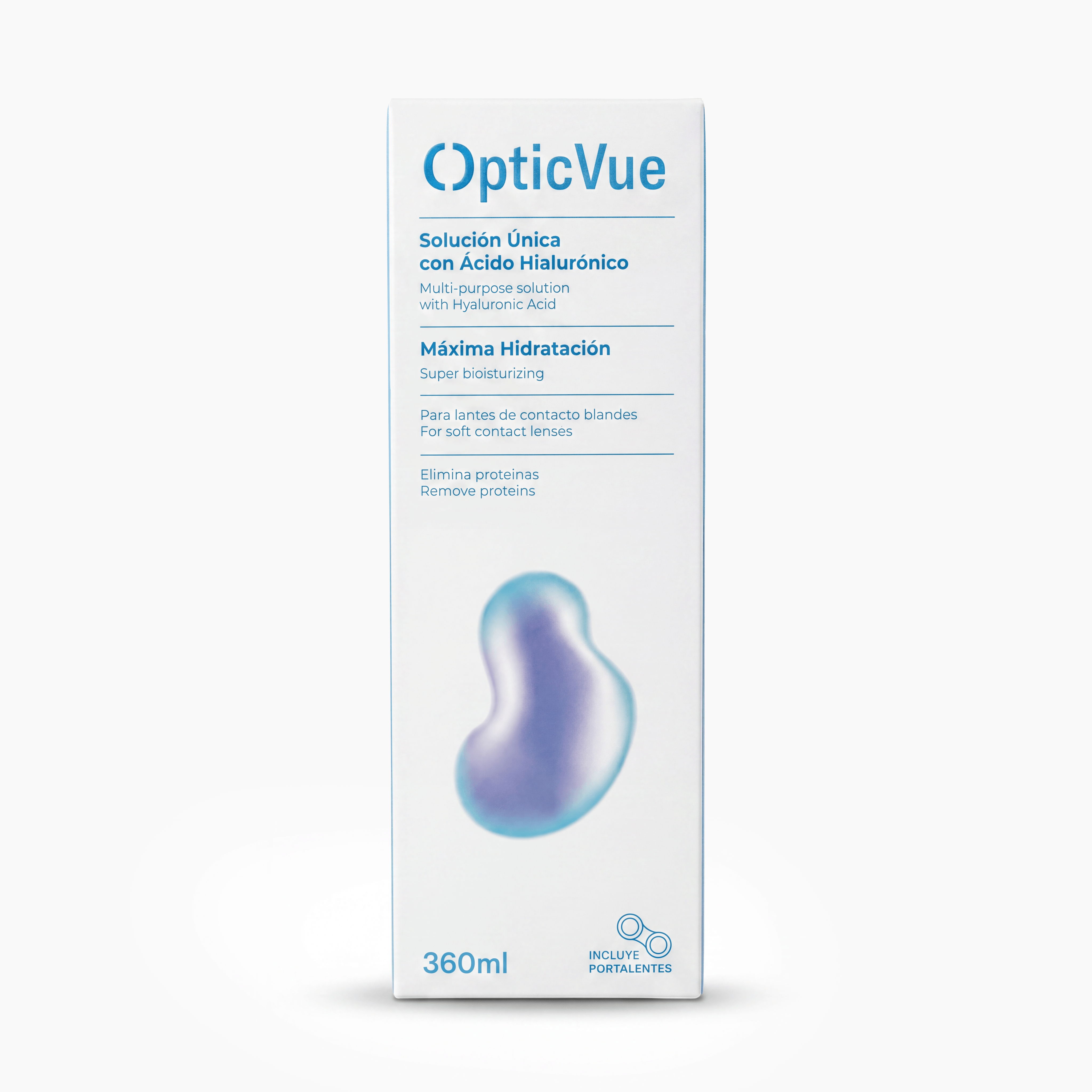
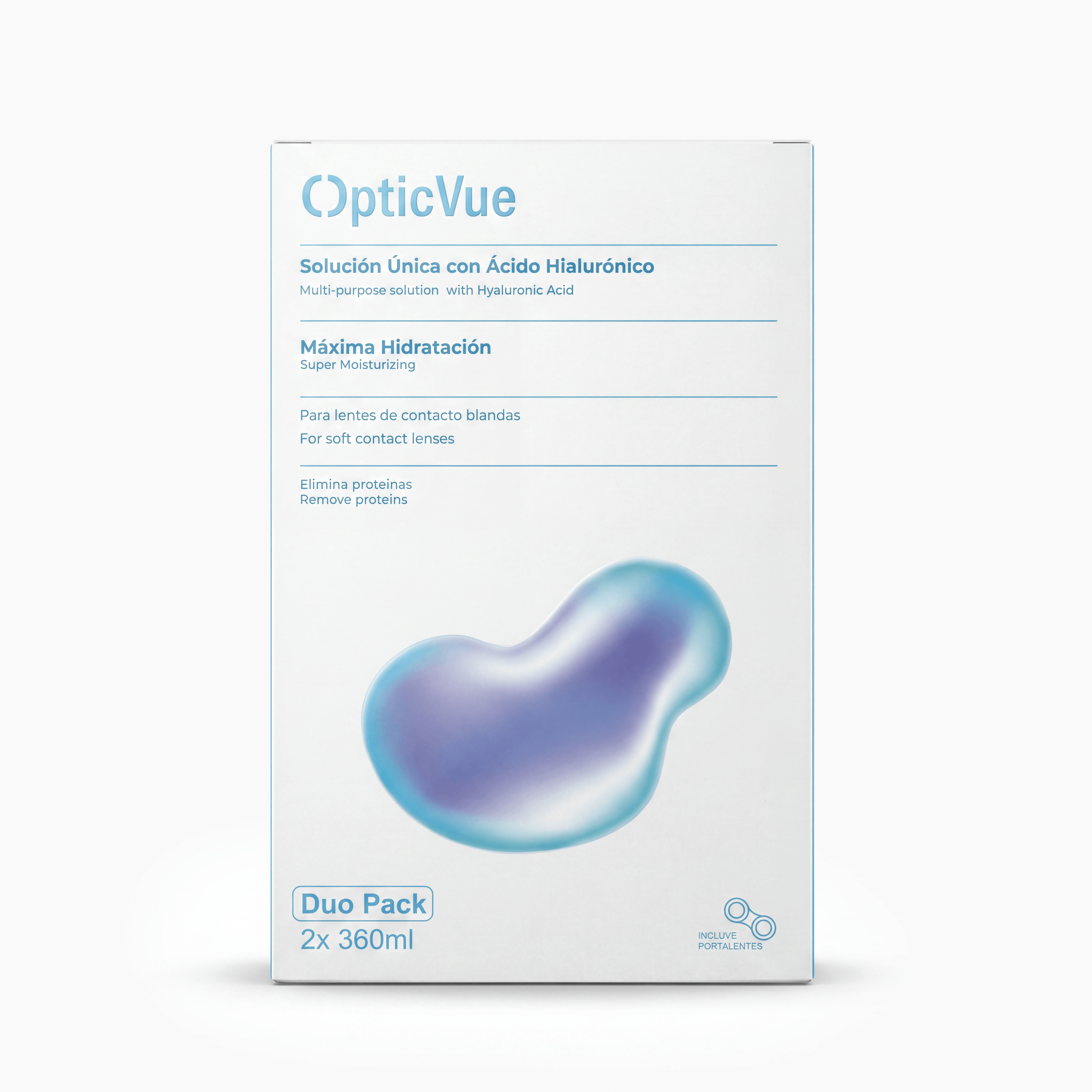
Contact lens solution value pack
Free contact lens trial
We know that every eye is different. That's why you can request a free sample and see if OpticVue fits your daily life before buying a full box.
The sample shipping cost will be deducted from your next order.
Contact lenses for your daily life
OpticVue was created to simplify the routine of those who wear contact lenses every day. A brand specializing in daily eye care, designed to help you choose, reorder, and care for your contact lenses with greater clarity.
OpticVue contact lenses, contact lens solution, savings packs, and a selection of Nordic Vision glasses are all part of the same proposition: to make your vision routine more comfortable, simple, and easy to maintain.

Daily contact lens wear: comfort, freedom, and wide vision
Contact lenses are a practical alternative to glasses for many people who need to correct their vision on a daily basis. They are placed directly on the surface of the eye and allow for comfortable vision without wearing frames. That's why many people use them for work, study, driving, playing sports, traveling, going out, or simply moving more freely in their daily routine. At OpticVue, we understand contact lenses as part of a complete vision routine. It's not just about buying a box, but about choosing an option that fits your lifestyle, your frequency of use, and your visual needs. That's why our proposal combines OpticVue contact lenses,
complementary care products, and a selection of Nordic Vision glasses that can help you at other times of the day.
Compare our daily and monthly contact lenses
Compare our ranges and choose the best option for your routine.


Suitable for
Myopia
Myopia
Myopia and hyperopia
Suitable for astigmatism or presbyopia
Contact lens type
Spherical
Spherical
Spherical
Available degrees
-0.75 to -7.00
-0.75 to -7.00
-0.75 to -7.00 and +1.50 to +4.00
Duration
30 days
3 months
3 months
Requires cleaning

What are contact lenses?
Contact lenses are designed to correct vision without the need for prescription glasses. They are worn directly on the eye and can correct vision problems such as myopia, provided the user knows their prescription and uses the appropriate product.
Unlike glasses, contact lenses follow the natural movement of the eye and offer a wide field of vision. This makes them a very comfortable option for those seeking more freedom in daily activities.
They also require responsible use. It is important to respect wearing times, maintain proper hygiene, and follow product instructions. Contact lenses are medical devices and must be used correctly; they do not replace professional advice when there are doubts about prescription, discomfort, or eye health.
At OpticVue, we work to make information clear and easy to understand, helping you integrate contact lenses into your routine simply.

Types of contact lenses: how to choose based on your routine
There are different types of contact lenses depending on their duration, material, prescription, or usage needs. Choosing the right ones depends on how you use them, how many hours you wear them, and your routine. Generally, contact lenses can be classified by their replacement frequency. Some are used for a single day and then discarded. Others are reused for a certain period and require cleaning and storage with contact lens solution. There are also contact lenses made from different materials, such as soft contact lenses or silicone hydrogel contact lenses. Each option meets different needs for comfort, frequent use, or longer wear. At OpticVue, we organize our contact lenses so you can find the option that best suits you without getting lost in confusing categories. You can consult our specific pages if you want to see each type of product in more detail.

Myopia Contact Lenses for a Comfortable Vision Routine
Myopia is one of the most common reasons why many people wear contact lenses. In these cases, contact lenses allow for better long-distance vision without having to wear glasses all day. For those who already know their prescription, using contact lenses can be part of a simple routine: checking the product they use, choosing the correct prescription, and organizing replenishment before running out of boxes. Myopia contact lenses can be used at many times of the day: when studying, working, driving, planning outdoor activities, or combined with sunglasses when outdoor protection is needed. OpticVue is specifically focused on users looking for myopia contact lenses within a clear, accessible, and easy-to-understand experience.

Contact lens care and contact lens solution: hygiene and maintenance
Contact lens care is an essential part of your visual routine. Using them correctly helps maintain a more comfortable experience and reduces problems arising from improper use. Not all contact lenses require the same maintenance. Some are discarded after each use, while others must be cleaned and stored in contact lens solution between uses. Contact lens solution, also known as multi-purpose solution in many cases, is used to clean, rinse, disinfect, and store reusable contact lenses. It should not be replaced by water or homemade solutions, as contact lenses require appropriate products for their maintenance. It is also important to care for the lens case, wash your hands thoroughly before handling contact lenses, and adhere to the replacement schedule indicated by the product. At OpticVue, you can find contact lens solution as a natural part of the routine for those who use reusable contact lenses.
Contact lenses for dry eyes: screens, long hours and dry environments
Many people look for comfortable contact lenses because they wear them for many hours, work in front of screens, or experience dryness during the day. Screen use, air conditioning, heating, dry environments, or long days can affect visual comfort. Therefore, when choosing contact lenses, it's important to consider not only the prescription but also the type of routine in which they will be used. Some contact lenses are formulated to provide a greater sense of comfort, incorporate moisturizing components, or use materials designed for extended wear. Even so, any persistent discomfort, redness, or feeling of irritation should be evaluated by a professional. At OpticVue, you'll find options geared towards different routines, with clear information to help you make the best choice.

Glasses and contact lenses: a flexible vision routine
Many people do not definitively choose between glasses or contact lenses. They combine them according to the time of day. You can wear contact lenses for work, study, driving, or going out, and use glasses at home, when resting, or when you prefer not to wear contact lenses. You can also wear contact lenses and put on sunglasses over them outdoors, especially on sunny days, when driving, traveling, or going to the beach. In some cases, people who use contact lenses also use reading glasses as occasional support for close-up vision, reading, checking their phone, or working with screens. This combination should always be understood as a guideline and does not replace professional advice. For this reason, OpticVue includes a selection of Nordic Vision glasses. The contact lenses are OpticVue. The glasses are Nordic Vision, available on our website as a complement within a more complete visual routine.

Contact lenses in pharmacies and online: convenience and trust
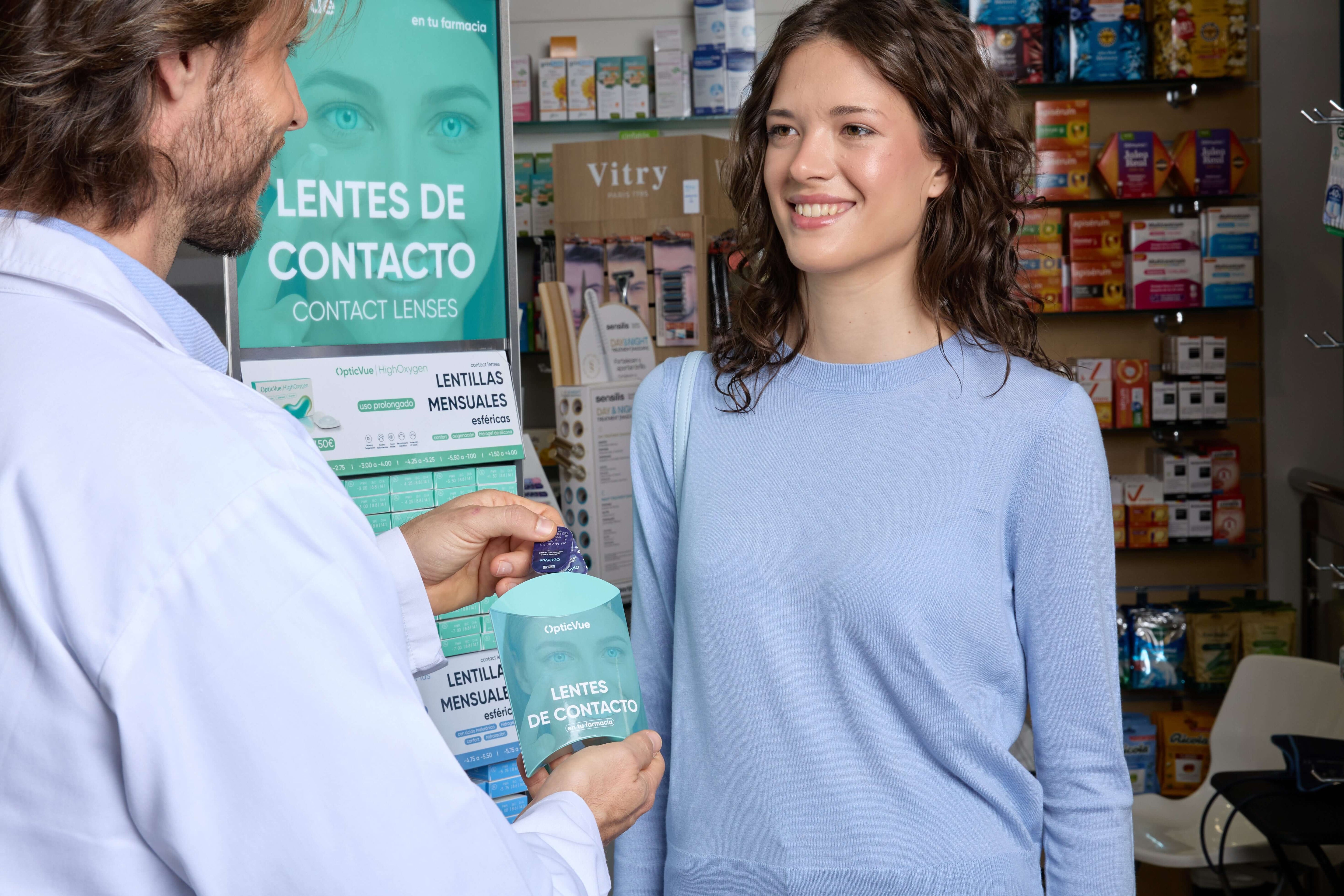
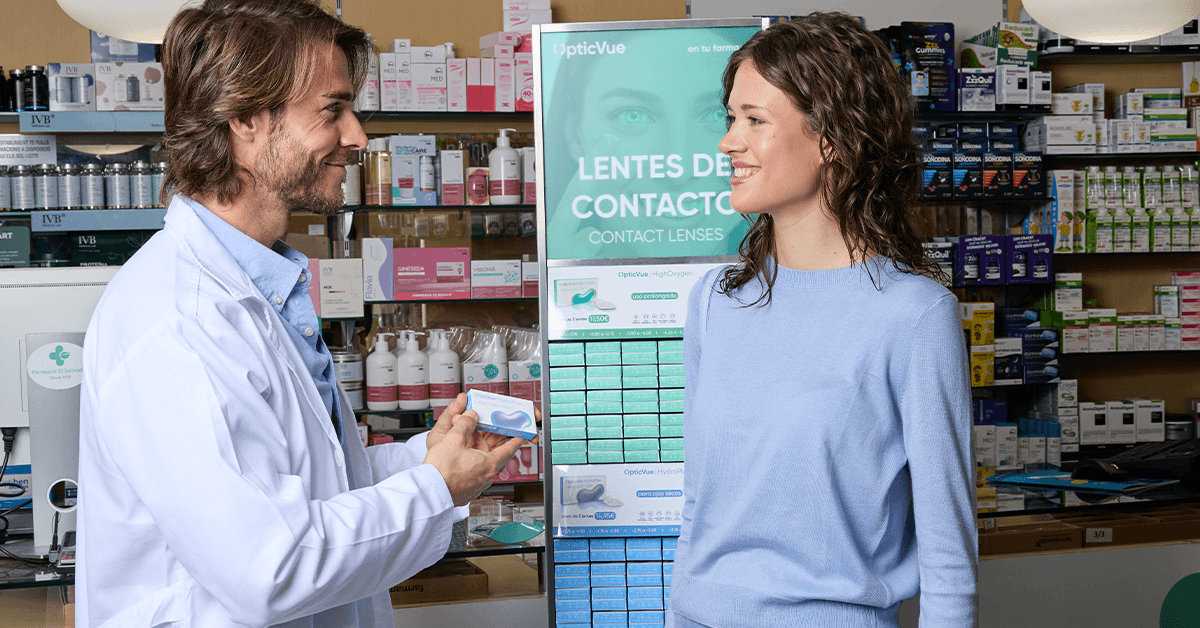
OpticVue is available online and at selected pharmacies. Online purchasing allows you to browse products, select your prescription, and reorder contact lenses comfortably from home. It's a practical option for those who already know what they need and want to arrange their order without unnecessary travel. Pharmacies offer proximity, trust, and physical availability. For many users, finding a contact lens brand in a pharmacy reinforces the perception of safety and facilitates access to the product in a local healthcare setting. At OpticVue, we see both channels as complementary. You can buy online, discover the brand in a pharmacy, or use each channel according to your needs at any given moment.
Graduation and parameters of contact lenses: BC, DIA and CYL
Before choosing contact lenses, it is important to look at more than just the product type or price. Contact lenses have
specific parameters that help identify whether they match the prescription and characteristics you normally use.
If you already wear contact lenses, check the information on your current box before placing a new order. You will usually find data such as power, base curve, diameter, and, in some cases, other specific values depending on the type of lens.
Contact Lens Prescription
The prescription indicates the power of the contact lens and usually appears as SPH, PWR, or power. For people with myopia, this value normally appears with a negative sign.
It is important to select the correct power and not to assume that it always exactly matches the power of glasses, as contact lenses are placed directly on the eye.
Base curve or BC
BC stands for base curve and refers to the curvature of the contact lens. It is one of the parameters that may appear on your contact lens box.
Using the correct base curve helps the contact lens fit properly. If you have any doubts about this information, it is advisable to check the information on your usual contact lenses or seek professional guidance.
Diameter or DIA
DIA indicates the diameter of the contact lens. That is, the total size of the contact lens.
Although many contact lenses have similar measurements, it is not advisable to ignore this parameter if it appears on your usual product.
CYL and other parameters
CYL refers to the cylinder, a value related to astigmatism correction. Not all contact lenses have this parameter, as it depends on the type of vision correction.
If your current contact lenses include values such as CYL, AXIS, or ADD, it is important to carefully check the type of product you need before purchasing, as not all contact lenses correct the same visual needs.
Choosing contact lenses more safely
Choosing contact lenses isn't just about picking a similar-looking box. It's important to check the prescription, parameters, and the type of use
indicated for each product.
At OpticVue, you'll find organized information to better understand your options, but if you have questions about your prescription, your parameters, or the compatibility of certain contact lenses with your case, it's best to consult a professional.
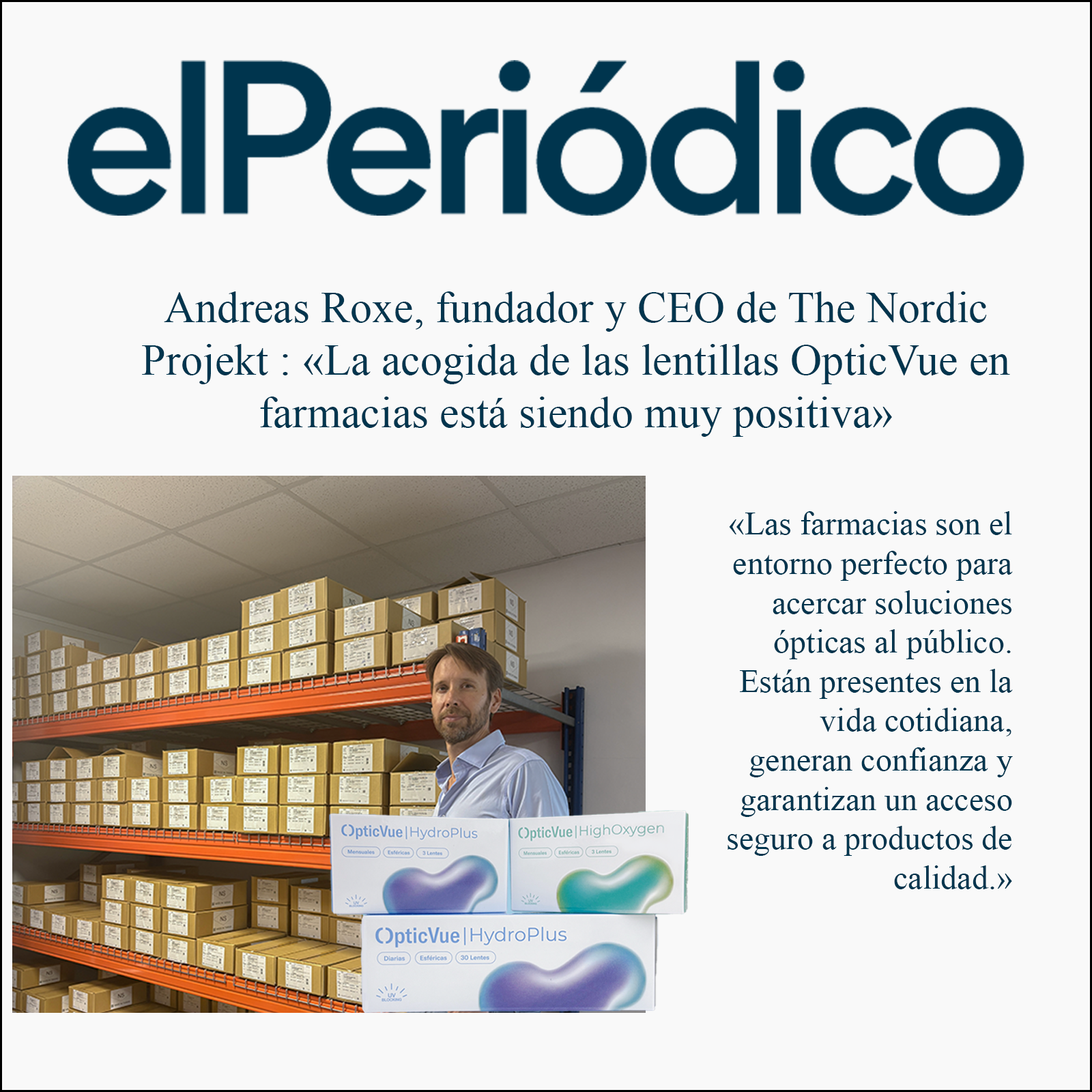
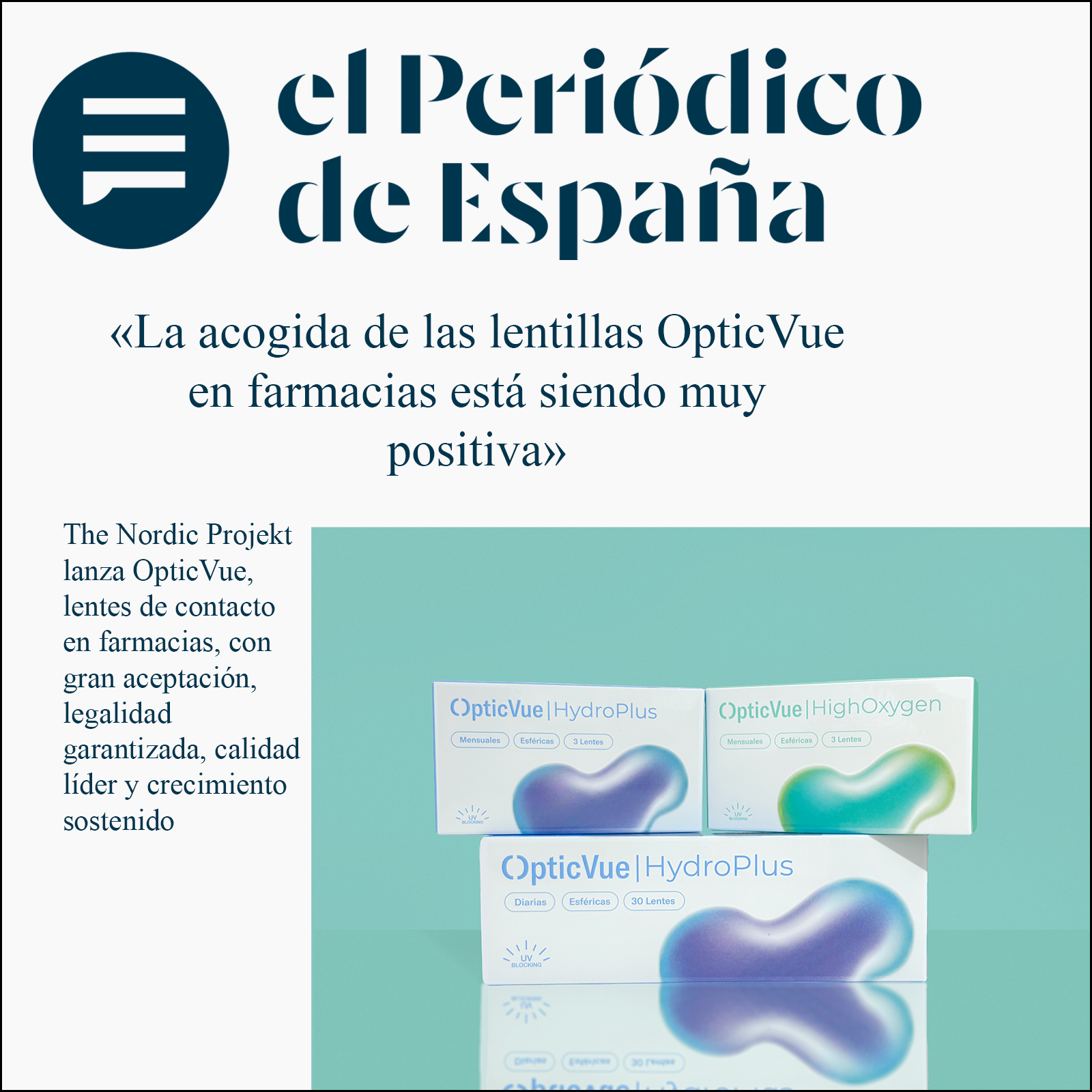
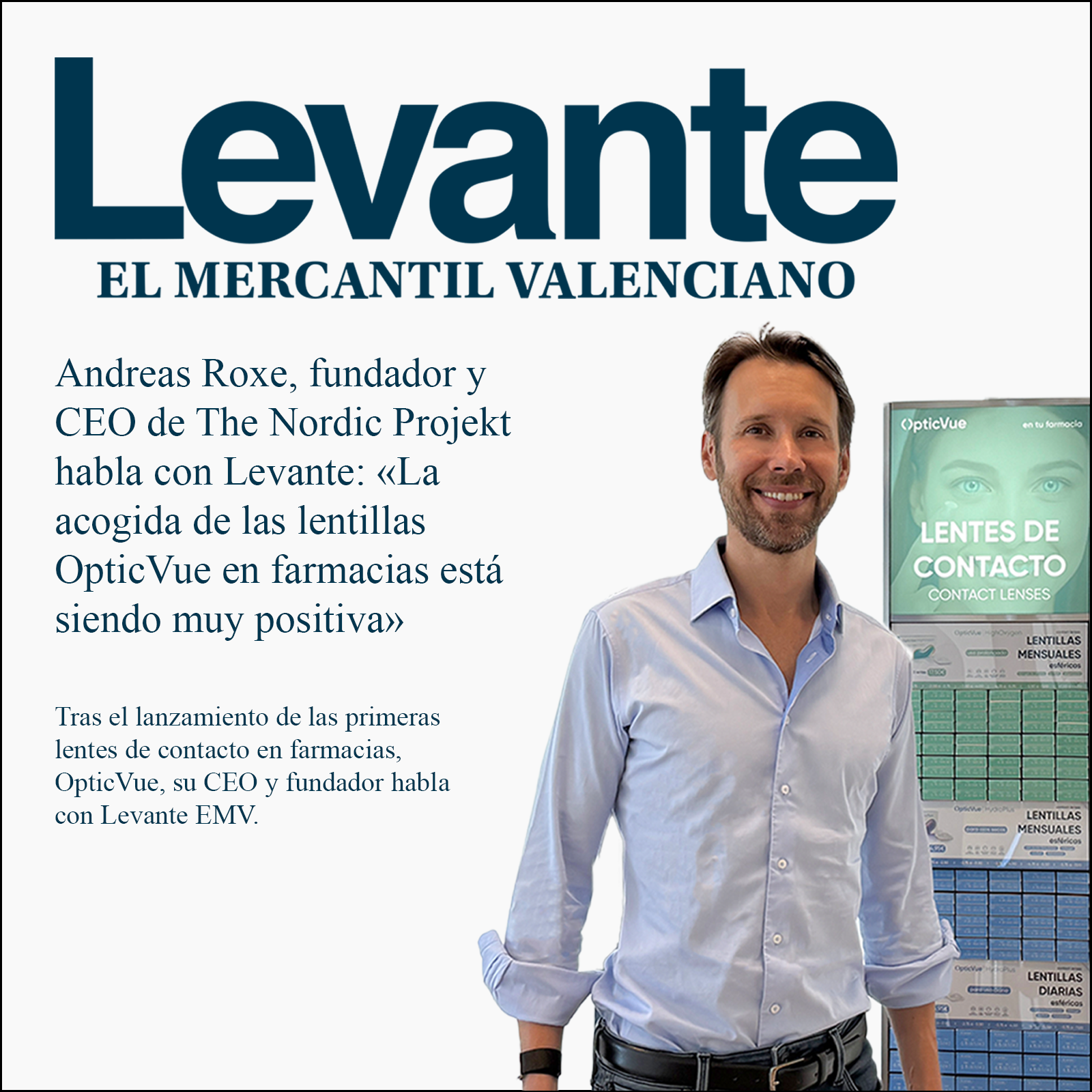
Perhaps you've seen us in...
More than 28 media outlets from all over Spain have reported on OpticVue.
Find out more on our Press and News blog.

How much do contact lenses cost?
The price of contact lenses can vary depending on the type of contact lens, duration of use, number of units per box, and how you organize your reordering. Buying contact lenses for occasional use is not the same as planning several months of your vision routine. That's why many people not only compare the price of a box but also how much it costs them to maintain their contact lenses over time. In general, the cost will depend on factors such as: The type of contact lens you use. How often you use them. The number of boxes you buy. If you need contact lens solution. If you choose savings packs to better organize your reordering. If you combine your contact lenses with other eye care products.
For those who wear contact lenses regularly, packs can be an interesting option because they allow for more foresight in purchasing and reduce last-minute orders. Instead of waiting until you run out of contact lenses, you can organize your purchase to have product available for a longer period. Additionally, if you use reusable contact lenses, it's worth considering contact lens solution as part of the total cost of your routine. It's not part of the price of the lens itself, but it is necessary for proper maintenance between uses. At OpticVue, you'll find different options to adapt your purchase to your routine: individual boxes, savings packs, and complementary products designed for the daily care of your contact lenses.
What do people say about us?
FAQs about contact lenses
Order
Contact lenses, also called contacts, are small lenses placed on the eye to help correct vision. Many people use them as an alternative to glasses because they allow greater freedom of movement and a wider field of vision. They are very common in daily life: for working, studying, driving, playing sports, going out, or simply being more comfortable without wearing frames.
There are several types of contact lenses depending on their duration, material, and use. Some are designed to be used for a single day and then discarded. Others are reused for longer periods and require cleaning and storage with contact lens solution. There are also lenses made from different materials, such as soft lenses or silicone hydrogel lenses. The choice depends on your prescription, your habits, and how long you typically wear them.
The first step is to check the information on your usual contact lenses: prescription, base curve, diameter, and any other parameters that appear on the box. If you already wear contact lenses and know what parameters you need, you can look for an equivalent option within the appropriate product type. If you have doubts, experience discomfort, or are unsure what data to use, it's best to consult a professional before purchasing.
The price of contact lenses depends on the type of product, the number of units, the duration of use, and whether you need
complementary products like contact lens solution. Buying a single box is not the same as planning for several months of use. That's why many people value savings packs: they help to better plan replenishment and to have contact lenses available for longer.
It depends on the type of contact lens. Some are designed for single use and are discarded at the end of the day. Others are meant for a longer replacement period and require cleaning and storage between uses. The important thing is to always respect the duration indicated by the product. Using contact lenses for longer than recommended can increase the risk of discomfort, dryness, or eye problems.
BC stands for base curve and refers to the curvature of the contact lens. DIA indicates the diameter, which is the total size of the contact lens. CYL is a parameter related to astigmatism and does not appear on all types of contact lenses. This information is important because it helps identify which type of contact lens you use. If your current box includes parameters such as CYL, AXIS, or ADD, it is advisable to carefully check which product you need before placing an order.
You need contact lens solution if you wear reusable contact lenses that need to be cleaned and stored between uses. The solution helps to clean, rinse, store and maintain contact lenses properly. If you wear daily disposable contact lenses, you do not need contact lens solution because they are discarded after use. In any case, contact lens solution should not be replaced with water or homemade solutions.
If you notice dryness, itching, red eyes, blurred vision or discomfort with contact lenses, don't ignore it. It can be due to many causes: too many hours of use, dry environment, screens, poor hygiene, a damaged contact lens, or a product that doesn't suit you. The most sensible thing to do is to remove your contact lenses if the discomfort continues and consult a professional, especially if there is pain, intense redness, or loss of vision.
Yes, many people combine glasses and contact lenses depending on the time of day. You can wear contact lenses during the day and glasses at home, or wear sunglasses over your contact lenses when you go outside. There are also people who use reading glasses for occasional near vision support while wearing contact lenses. If you have any questions about prescription, presbyopia, or compatibility, it is advisable to consult a professional.
You can find OpticVue contact lenses online and at selected pharmacies. The website allows you to browse products and conveniently organize replenishment, while the pharmacy offers proximity and physical availability. OpticVue is designed for people looking for a simpler vision routine, with contact lenses, contact lens solution, savings packs, and a selection of Nordic Vision glasses as an accessory.
Let customers speak for us
Todob perfecto las tengo que probar con mi sequedad a ver que tal van

Muy buena oferta y las lentillas son de muy buena calidad, son las únicas que aguantan con mis ojos secos.


Son muy buenas,gracias, lo único fue que tardaron más de lo prometido en la entrega

He probado las lentillas HydroPlus Diarias y me han gustado mucho, son muy cómodas, por su textura blanda, la hidratación del ojo es perfecta durante todo el día, no molestan para nada, a la hora de quitarlas tampoco causan ningún problema, muy buenas lentes diarias.
Agradecida con su atención, fue excelente.

Cumple totalmente, hidratanteel ojo perfectamente
Son fáciles de usar y no resecan el ojo lo recomiendo al💯